

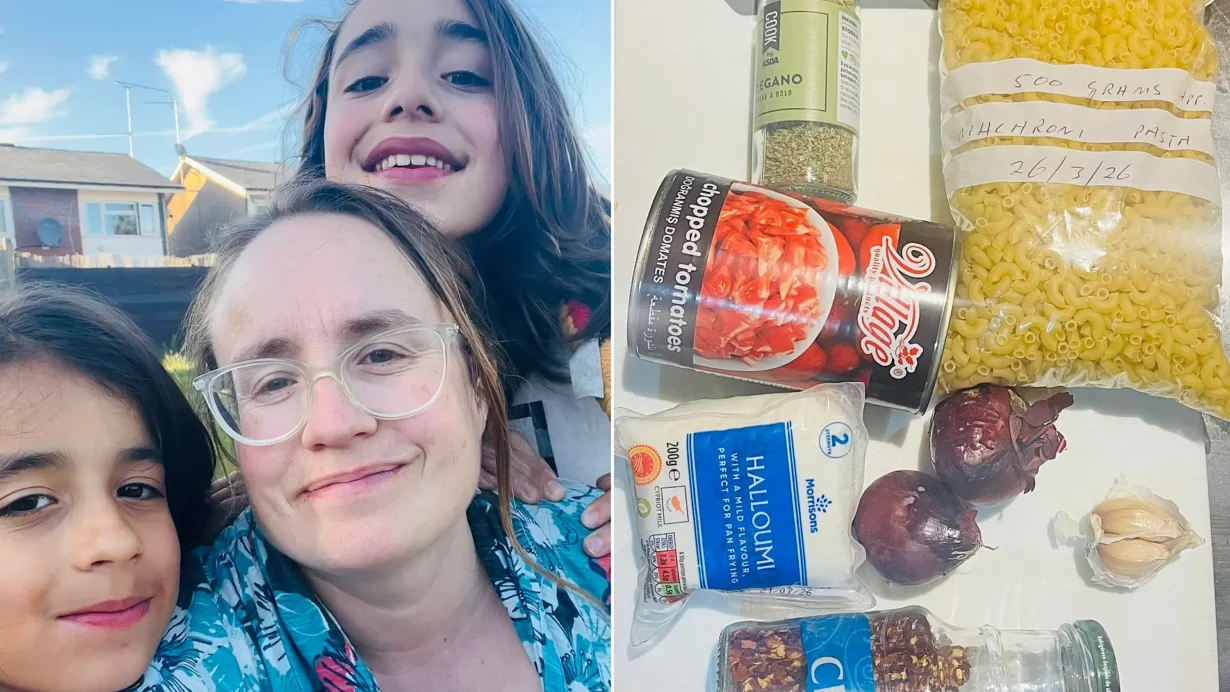

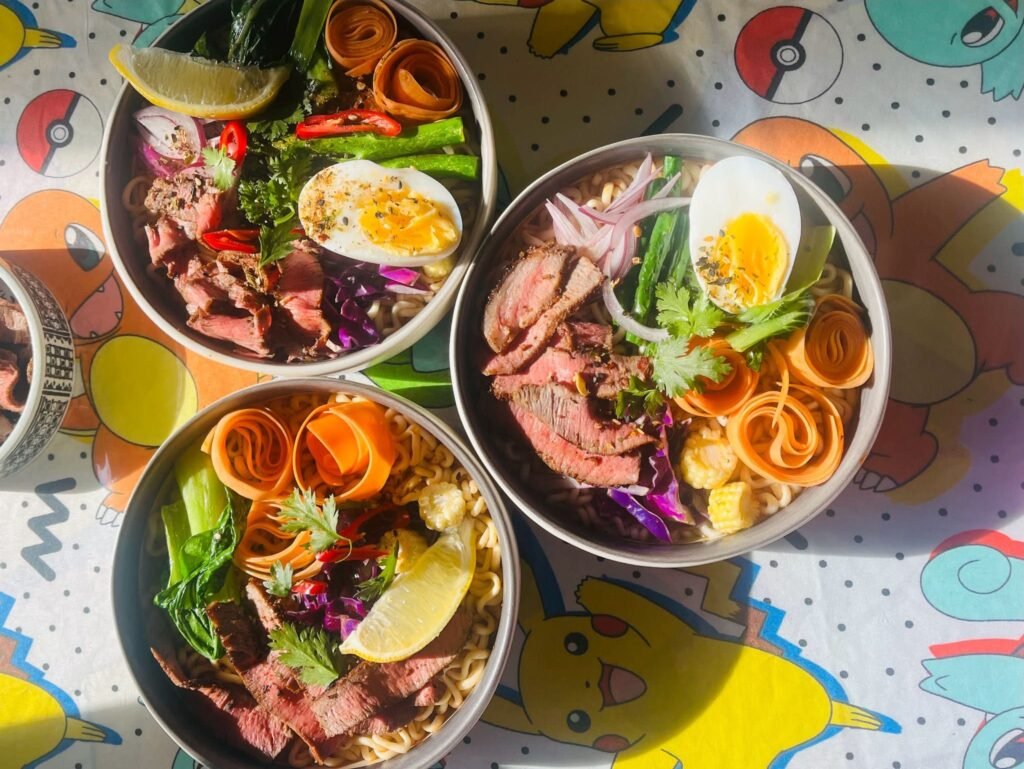
Last week, Mette Kristiansen cooked a beef noodle dinner for herself and her two sons for £4.78.
There were leftovers. The boys have already claimed them for breakfast.
The 42-year-old from Basingstoke spends an average of £174.30 a month on food and household essentials for a family of three.
READ MORE: I bagged a £329 designer dress for just £3 in a charity shop – here’s how I SPOTTED it
That works out at less than £6 a day, and she documents all of it, receipts included, on her Facebook page, A Foodie Mum on a Budget.
Debt first, yellow stickers second

The frugality was not a lifestyle choice. It was a rescue plan.
When her youngest son Noah, now eight, was born, the Danish-born mum had to walk away from a job she loved.
Noah is autistic, and nursery was never an option. Her marriage collapsed around the same time.
“I suddenly found myself falling into debt every month,” she told Creatorzine.
The way out started in the reduced aisle. Mette worked out that supermarkets slash prices at the end of the day, so she set herself a game:
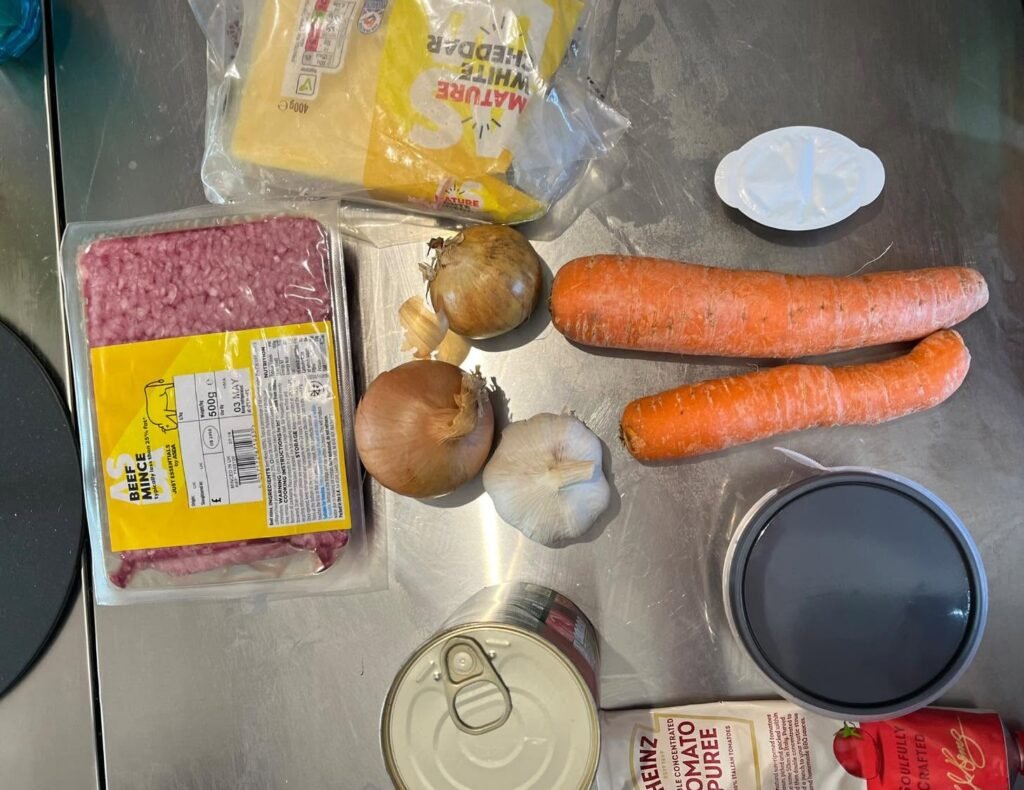
“I would buy a random assortment of reduced items and challenge myself to turn them into enjoyable meals by thinking creatively.”
Then came the food pantries. “I noticed that there were often unusual frozen items that nobody else wanted. I would take them home and find ways to reinvent them,” she said.
“It has been a process of trial and error, but over time it has mostly been a success.”
Friends and neighbours now know her as the woman who rescues unwanted food, best-before dates be damned.
The £4.78 dinner, itemised
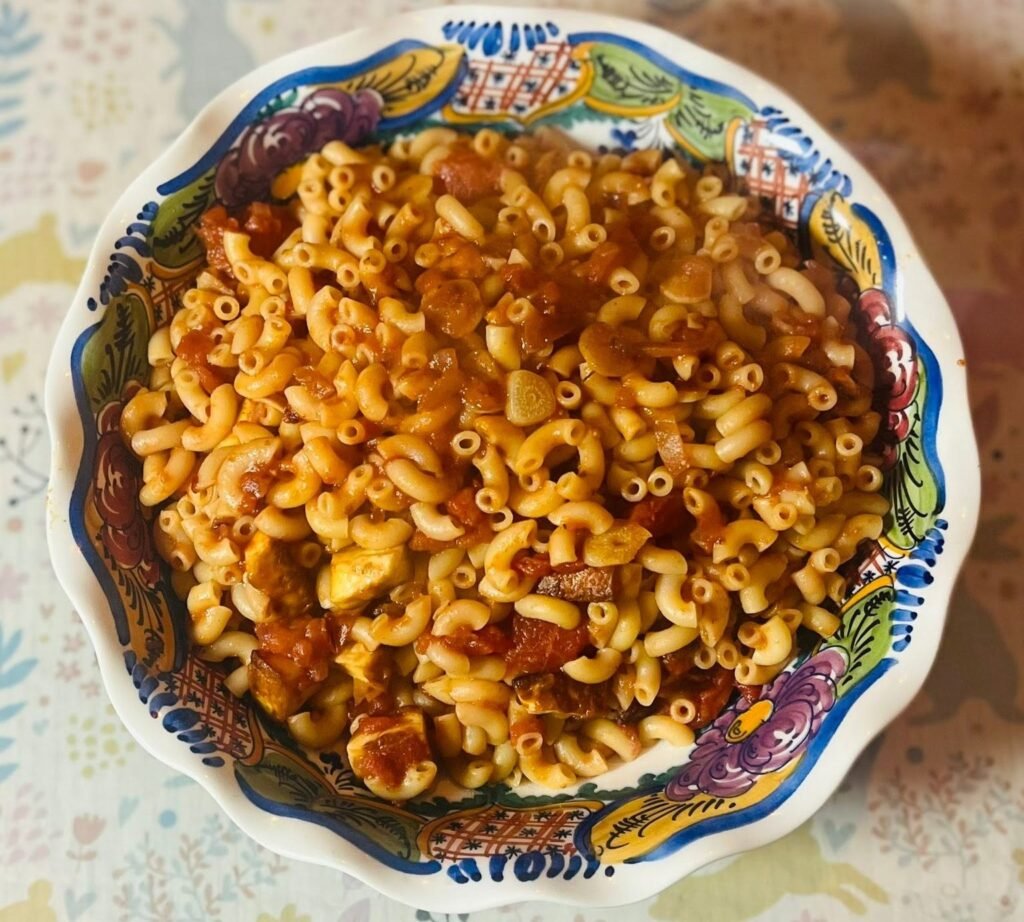
That noodle dish shows the method in full. Reduced-to-clear beef for £2.74. Two eggs, 36p. Noodles, 59p. Carrots for 5p, mangetout at 60p, peppers for 8p, onions for 5p, a chilli topping for 15p. The bok choi, cabbage, lemons and coriander cost nothing, picked up as free surplus produce.
She also collects food through the sharing app Olio, which she counts as free, and admits some figures on her posts are estimates.
“I always try to make them as accurate as possible,” she said.
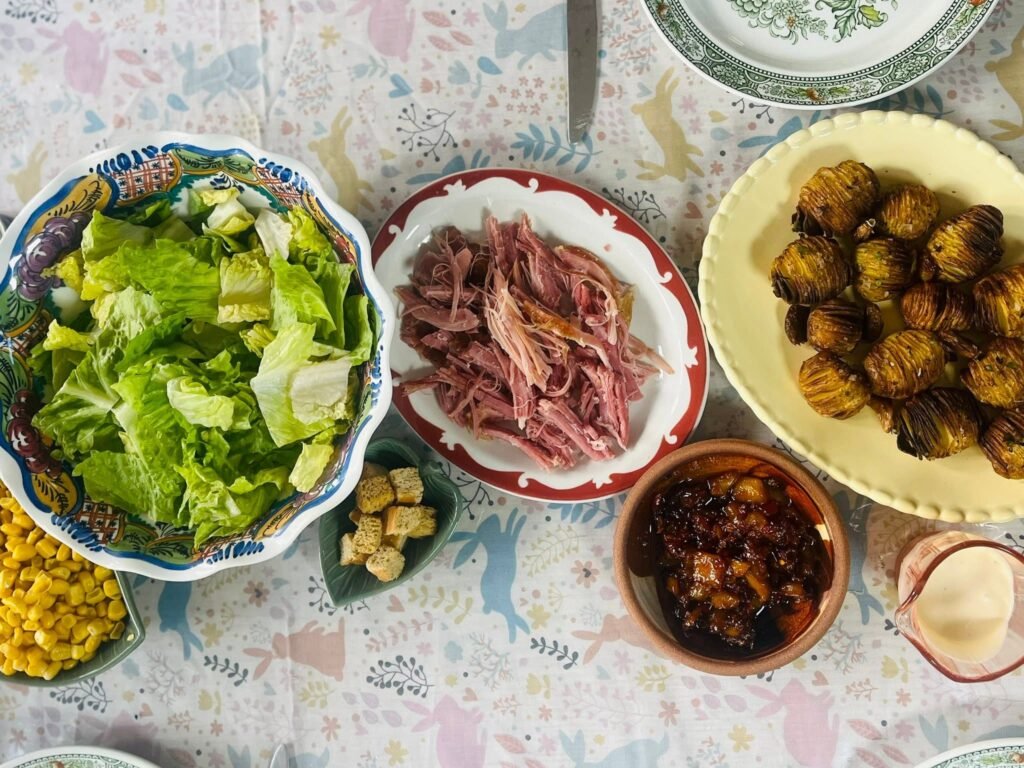
Her spending challenges have become content in their own right.
A week feeding all three of them exclusively on Aldi products came in at £25.
“It was fun to do,” she said.
“Though I had to think differently as I could only rely on what I got at the shop.”
What the savings actually bought
The maths cleared her credit card balances and built a small emergency fund.

It also pays for the things that matter more. Both boys are history obsessives, so the family visits historical sites whenever they can.
“I’m able to do this guilt-free because I save money on our everyday food shopping,” she said.
There is a quieter motivation underneath it all. Mette lives with fibromyalgia and several other conditions, and she wants her sons, Joshua, 12, and Noah, to grow up eating well and thinking about food without fear.
“I struggled with eating disorders throughout my teenage years, and I never want them to go through the same experience,” she said.
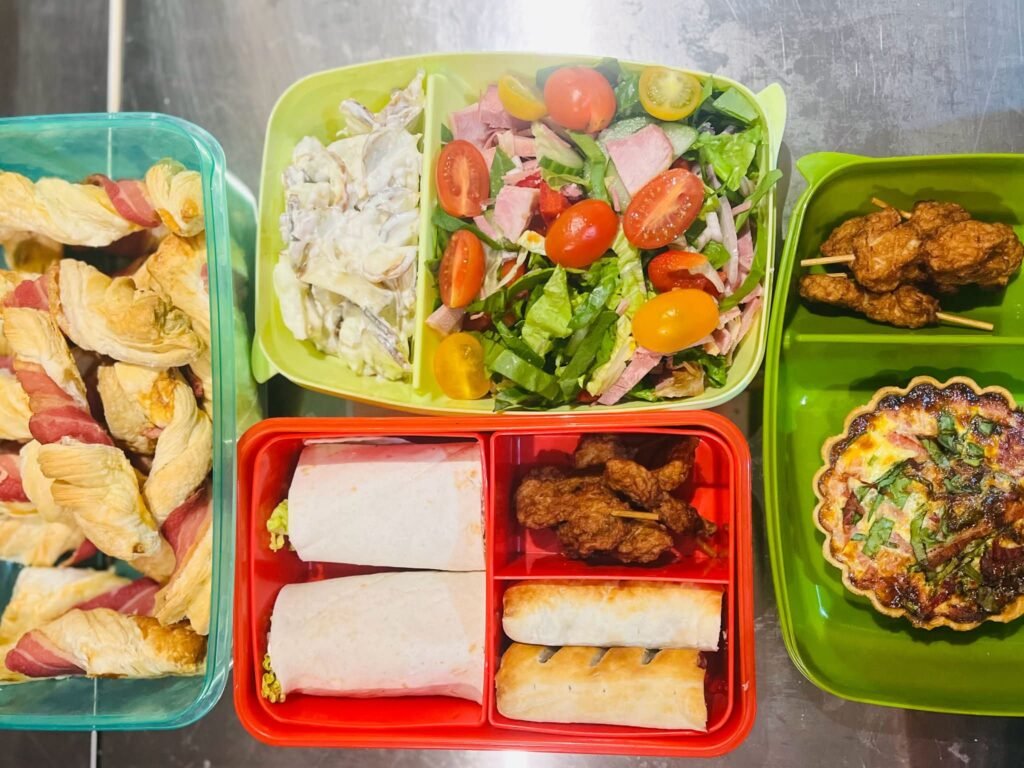
The strategy appears to be working. Joshua recently tried a raw oyster.
The boys’ only real weakness is chocolate and macaroons, so Mette learned to bake macaroons herself.
Cheaper that way, naturally.
Why It Matters
Budget food content has quietly become one of the most durable niches in the creator economy, and Mette’s page shows why the format keeps winning: the numbers are real, and so were the stakes.
Cost-of-living content has moved past listicle hacks into lived documentation, and audiences can tell the difference between a sponsored “frugal tips” carousel and a woman who genuinely fed three people for £4.78.
For creators, the lesson is specificity. A receipt showing £2.74 beef persuades in a way that “shop smart” never will, and trust built on itemised honesty is the hardest kind of audience to lose.
Food prices have stayed stubbornly high since the inflation spike, and the appetite for genuinely cheap cooking, rather than aspirational meal prep, shows no sign of shrinking.
Mette says budget cooking “started out as a necessity” and became something bigger:
“Sometimes all it takes is a bit of creativity, a willingness to try something new, and the confidence to think outside the box.”
The Aldi week suggests she has worked out that challenges travel further than recipes.
Watch for more of them.
READ MORE: My kitchen was crawling with fruit flies – I trapped them with washing-up liquid and cling film