


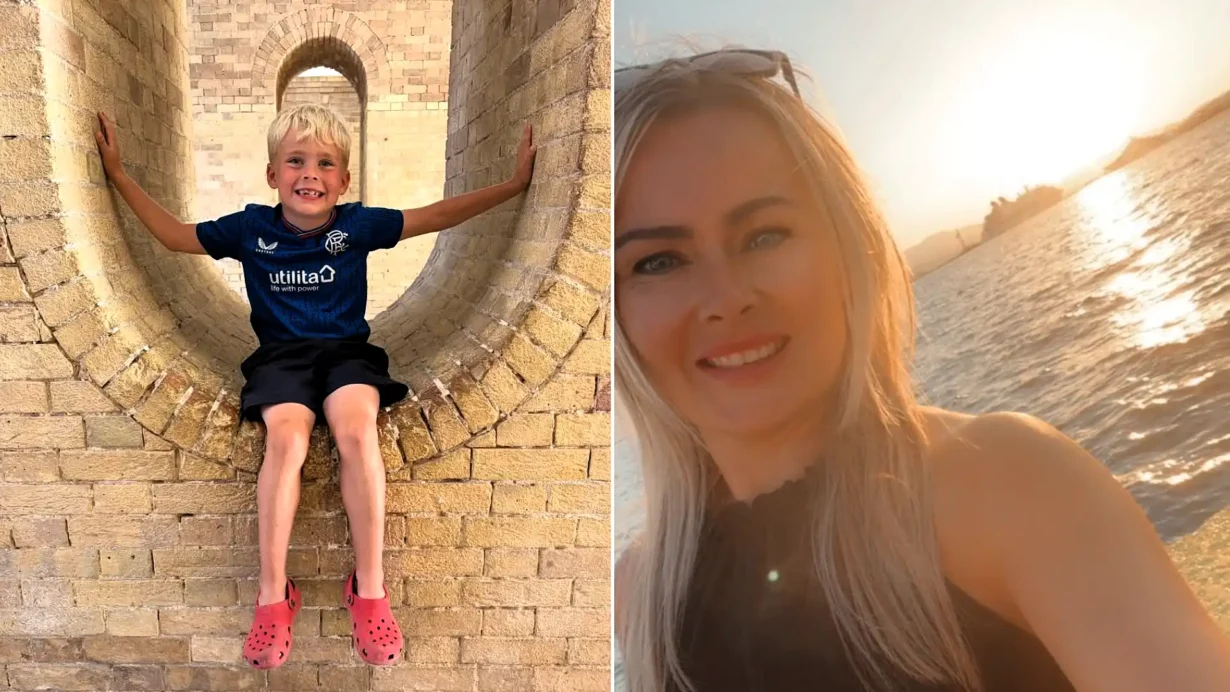

Nicola Stitt says one night in the Lake District cost her around £700.
The same month, she flew to Corfu with her seven-year-old son, spent 10 hours on the island and came home having spent roughly £300.
The 36-year-old from Dumfries and Galloway has been doing versions of this all year.
A Greek holiday that fits inside a working day
She left Edinburgh on 16 July with her son Ayden, a friend and the friend’s two teenage daughters.
Jet2 out at 7:15am, wheels down in Corfu just after 1pm local time.

She found return flights on Skyscanner at £83 a head.
Corfu Town sits about 1.5 miles from the airport, which is the entire reason the trip works.
No transfer, no afternoon lost to a coach.
They took a taxi straight in and were drinking on the waterfront before most people back home had finished lunch.
Faliraki Beach came next, where Ayden got in the sea.
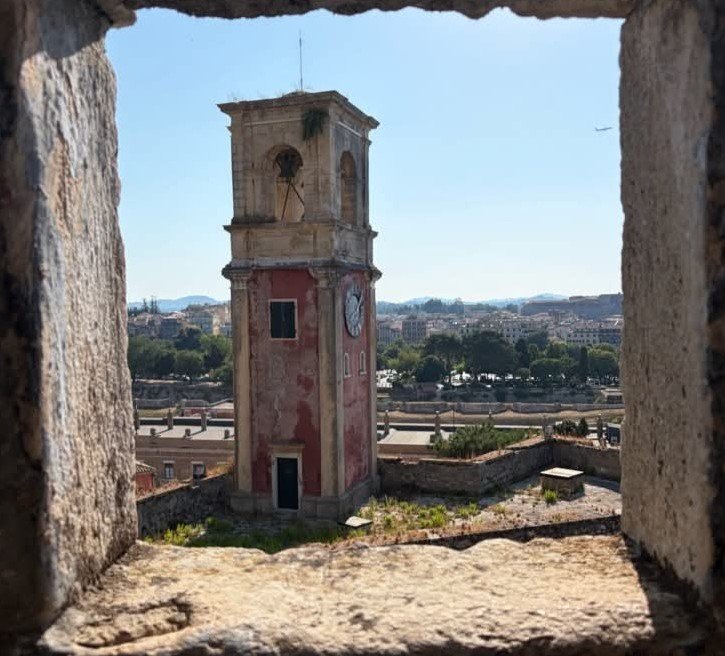
Then the Old Fort at €10 for adults and free for children, then a run around the Public Garden next to it.
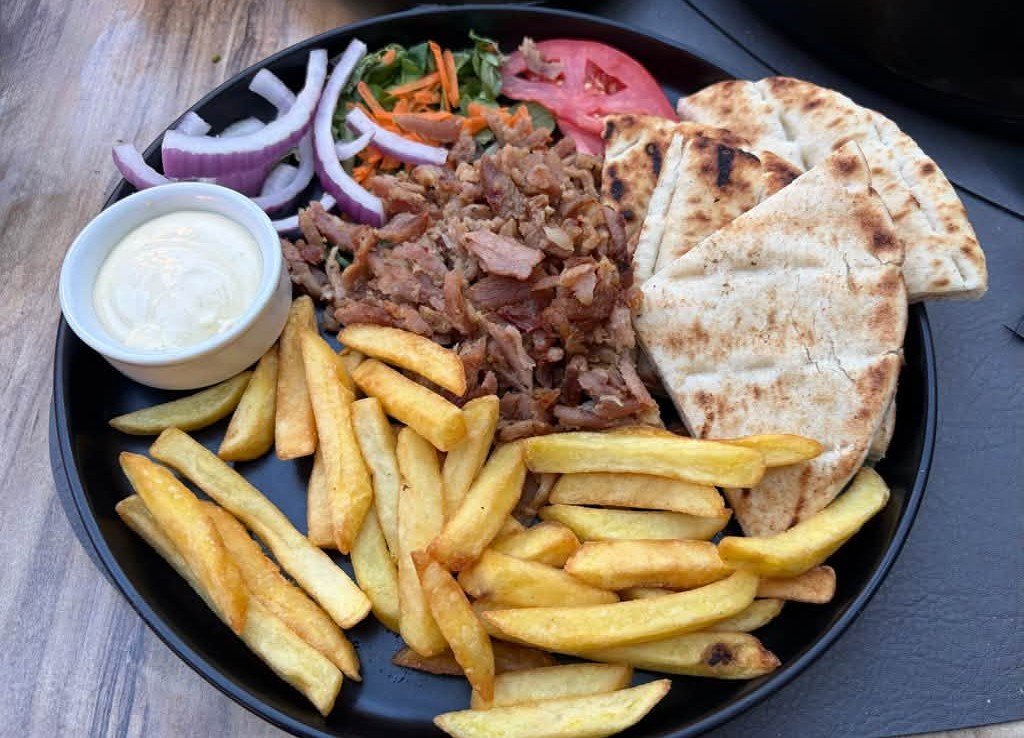
They walked the Old Town looking for food and found it: a gyros for Nicola, pizza and chips for Ayden, a couple of cocktails, an ice cream.
She estimates €80 for the two of them.

“Honestly, it could have been done even cheaper because the flights were very last minute,” she said.
“They were the most I’ve paid for flights for such a short trip.”
The UK comparison is the part she keeps returning to.
“We went to the Lake District in July for just one night and spent around £700,” Nicola said.
“That was for the hotel, meals, and activities for Ayden at Brockhole on Windermere.
It is so much cheaper to go abroad, and the weather is so much better.”
The bit that nearly came apart
They watched the sunset at the marina. Getting a taxi back to the airport was the only part that threatened the schedule.
“We were cutting it quite fine,” she said.
“Our flight ended up being delayed anyway, so we had plenty of time in the end. I’m the type of girl who arrives at the airport three hours in advance for my outbound flight, but on the return, I am very last minute.”
They found a car around 9pm for an 11pm Ryanair departure.
The driver could not work out why anyone would fly from Scotland for a single afternoon.
“He told us that you need at least a month to enjoy Corfu and gave us his card in case we return for longer and want to tour the island,” Nicola said.
The flight ran about two hours late. She and Ayden got home around 6am, roughly a full day after setting off.
Ayden may sit the next one out
Nicola decided at the start of the year to leave the country at least once a month.
Dublin, Cyprus, Krakow, Amsterdam, Bologna and the Caribbean have gone on the list since.
“I’ve been to Crete and Zante, so it was brilliant to tick another Greek island off the list,” she said.
“Ayden’s absolute favourite part was splashing about in the sea.”
He handled the day well enough. She still thinks 24 hours of airports and taxis asks a lot of a seven-year-old, and she isn’t planning to take him on another one soon.
Why it matters
The receipt is the content. Travel creators worked this out a while ago: a line-by-line breakdown of what something actually cost outperforms a drone shot of a beach, every time.
Extreme day trips are the purest version of that format, because the budget is fixed, the deadline is brutal and anyone watching can check the flight prices themselves in about forty seconds.
Nicola’s £300 against £700 does the whole job in one sentence. Cost comparison content has been one of the most durable engines in UK travel media for years now, partly because it confirms what the audience already suspects about what they’re being charged at home.
The format has also quietly solved a production problem.
A day trip is one shooting day, no accommodation, no crew, and it ends with a number.
Her next one is Copenhagen at the end of the month.
Twenty-four hours, and the first she’s doing on her own.
READ MORE: I flew to Spain for 13 hours and spent £200 – my daughter thought I’d FAKED the beach photos with AI