

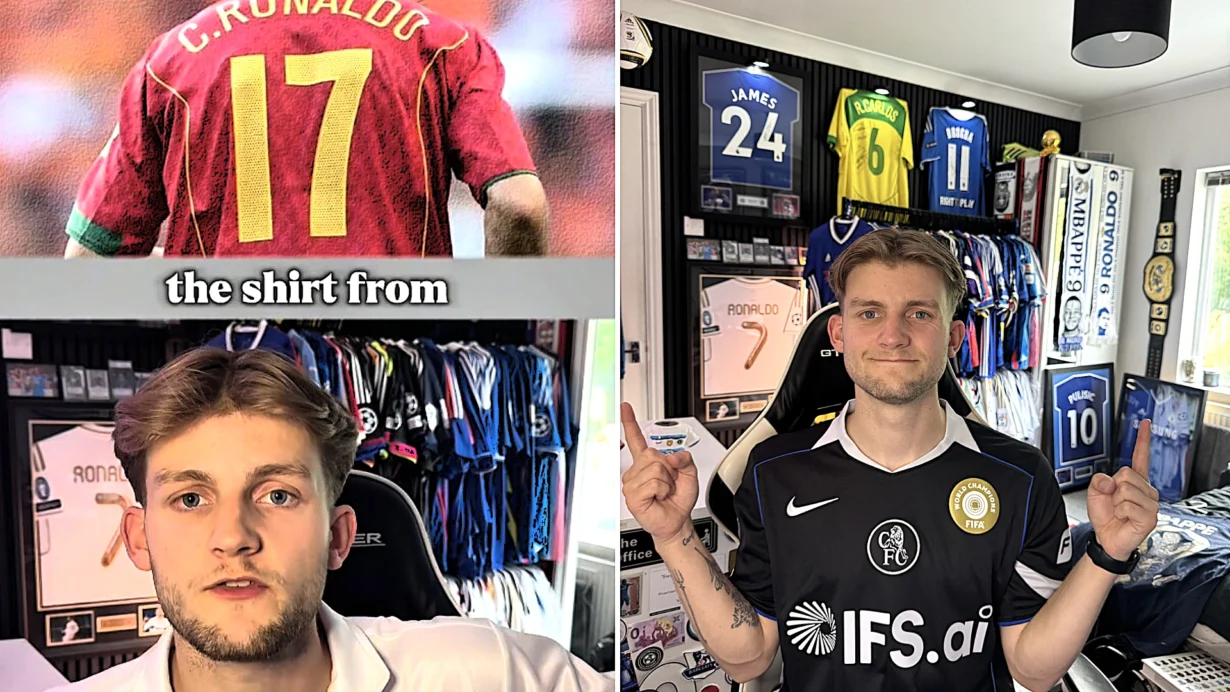

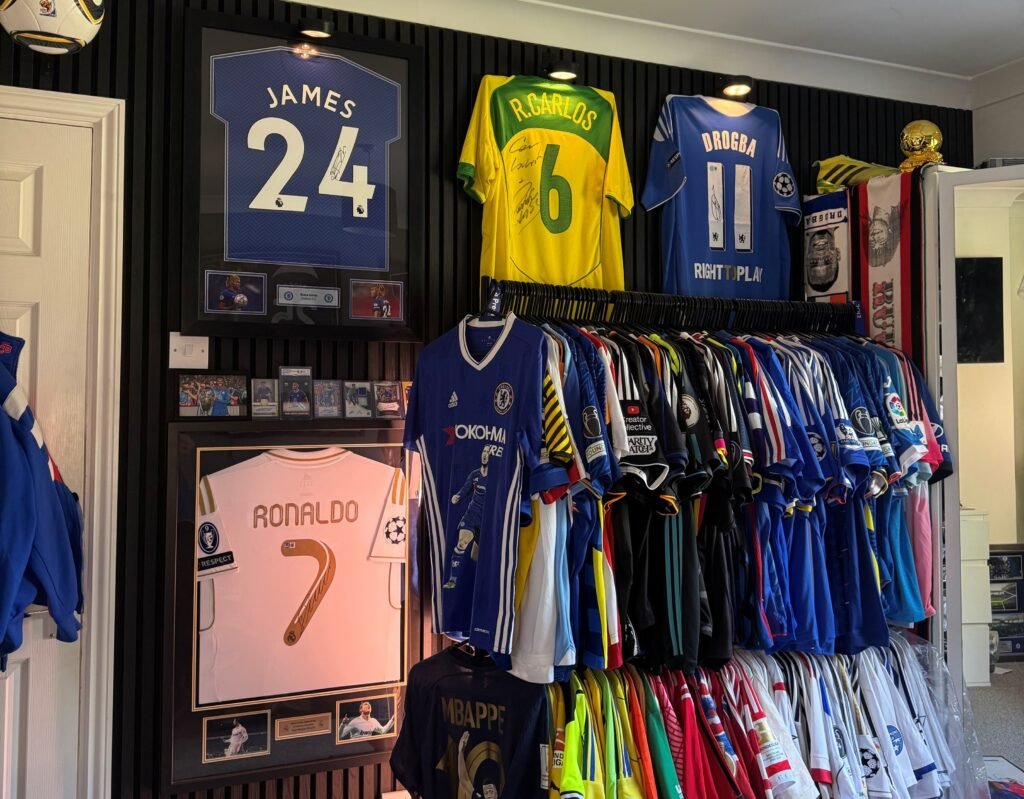
Kyle Ashman owns more than 300 football shirts.
Together they are worth £30,000.
And the kit he most wants you to dig out is probably folded in your loft right now, doing nothing.
READ MORE: I’ve spent £90K chasing England across 30 countries – the World Cup hosts would rather watch HOCKEY
Ashman has spent years on the collection.
It runs from Paul Gascoigne’s Italia ’90 England shirt to the Argentina top Lionel Messi wore winning the 2022 World Cup.
Goalkeepers nobody remembers, World Cup winners everybody does.
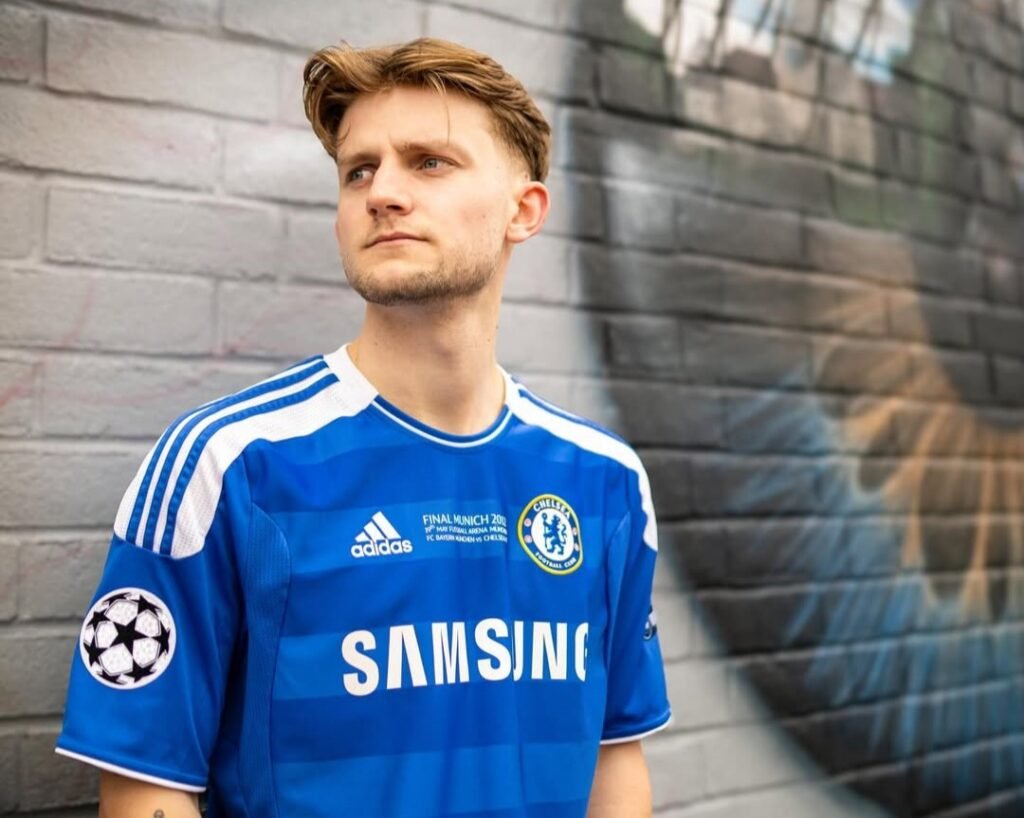
He has most of them.
The Gazza number 19 is the one people chase hardest.
It is the most popular retro international shirt in the country, and a clean one sells for up to £1,200.
His own favourite isn’t the dearest. It’s a signed Ruud Gullit Sampdoria away shirt from the mid-90s, worth around £600. Funny how that works.
Check the garage before you bin anything
Ashman teamed up with Compare the Market to rank the retro international shirts most likely to be hiding money. His rule is blunt.
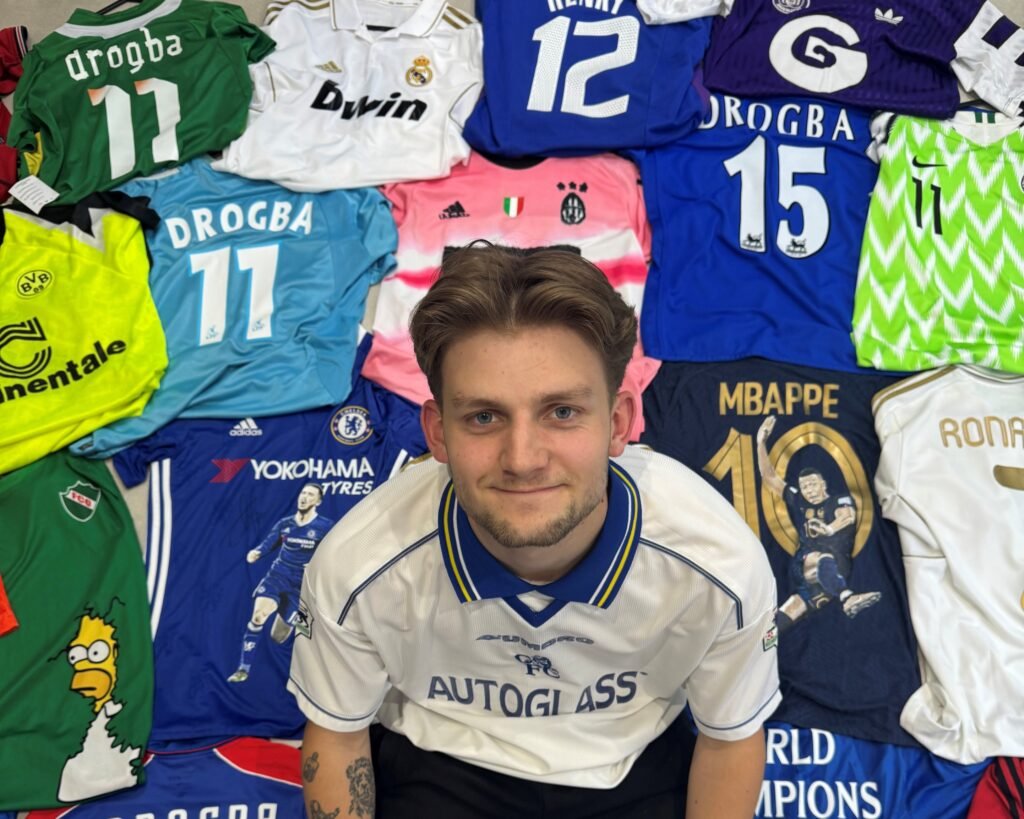
Anything from before the early 2000s, in an adult size, in decent nick.
“People are often surprised by how much some of these shirts can be worth, especially if they’re in good condition,” he said.
He puts it down to sentiment as much as fabric.
“Football shirts have become so much more than just matchday clothing,” he said.
“They’re collectibles tied to memories, culture and huge moments in football history. Some shirts that used to sit forgotten in wardrobes are now worth serious money.”
The ten to dig out
The full list, with what each could fetch:
- Lionel Messi, Argentina 2022 home #10: £500 to £3,000
- Zinedine Zidane, France 1998 home #10: £400 to £1,500
- Ronaldo Nazário, Brazil 2002 home #9: £300 to £1,200
- Paul Gascoigne, England 1990 home #19: £250 to £1,200
- Cristiano Ronaldo, Portugal 2006 home #17: £250 to £900
- David Beckham, England 1998 home #7: £100 to £900
- Gareth Southgate, England 1996 away #6: £150 to £600
- David Seaman, England Euro 96 goalkeeper #1: £150 to £500
- Jay-Jay Okocha, Nigeria 1998 home #10: £200 to £1,000
- Davor Šuker, Croatia 1998 home #9: £200 to £1,000
Why old kits cost so much now
The retro boom has been building for a while. “Retro shirts have become hugely popular again because they’re tied to football history,” Ashman said.
“The designs were unique, the fits were different and many of those styles have come back into fashion.
Around major tournaments, people also love wearing classic shirts to represent their country.”
A summer of football does the rest. Every big tournament sends another wave of buyers after the shirt they wore as a kid.
Insure it before you forget you own it
As prices climb, Ashman tells collectors to check their contents cover.
Replacing what he owns would cost a small fortune, and insurance starts at around £57 a year.
“Some of my shirts are extremely difficult to find today and many would cost at least double what I originally paid for them,” he said.
“Replacing a collection like that would be incredibly expensive.”
Amy Rootham, a home insurance expert at Compare the Market, said most people miss the value sitting in their own homes.
“As collectibles increase in value, many people may not realise the potential value of their possessions and the importance of declaring them on their contents insurance,” she said.
How to spot a fake before you celebrate
A few quick tells separate the real thing from a market-stall copy.
Manufacturer tags changed by era, so wrong fonts or modern-style Umbro, Adidas or Nike labels give a fake away fast.
Original stitching is cleaner and tighter, using construction methods replicas don’t bother with.
Sponsor and badge prints on fakes run slightly off on colour, spacing or gloss.
And counterfeits often carry modern sizing labels that didn’t exist in the 90s.
Why It Matters
Ashman is running the same play a lot of niche creators have worked out.
Take an obsession most people find slightly odd, turn it into content, then turn the content into a brand deal. The collection is the hook.
The Compare the Market partnership is the business.
Nostalgia sells, and football nostalgia sells harder than almost anything, which is why a market once driven by die-hards now pulls in casual buyers chasing a feeling.
Retro kit prices have climbed for years, and the supply of genuine 90s shirts only shrinks.
The people who once binned theirs tend to watch all this fairly quietly.
So the only real question is whether the dusty number 19 in your loft is the genuine article or a fiver’s worth of polyester from 1991.
Worth a look before bin day.
READ MORE: I’ve followed England for 20 years – then FIFA gave us 4,000 tickets in an 80,000-seat STADIUM