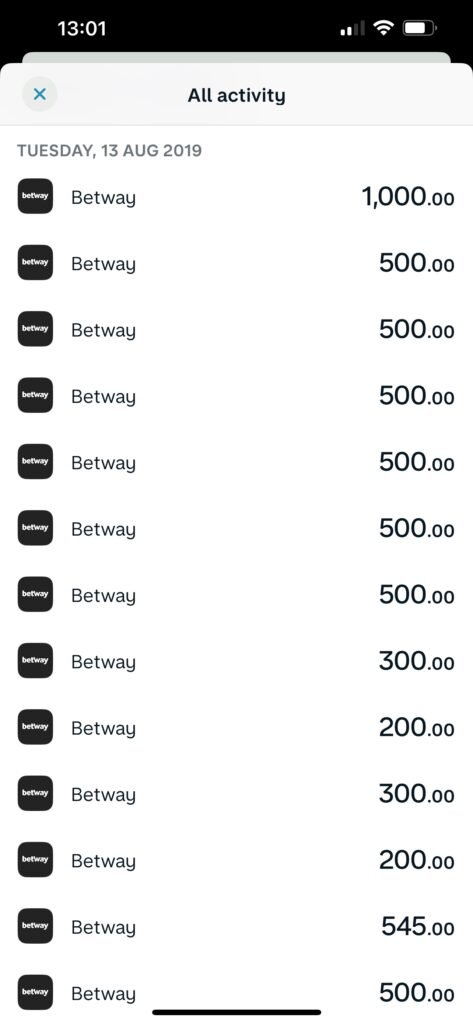
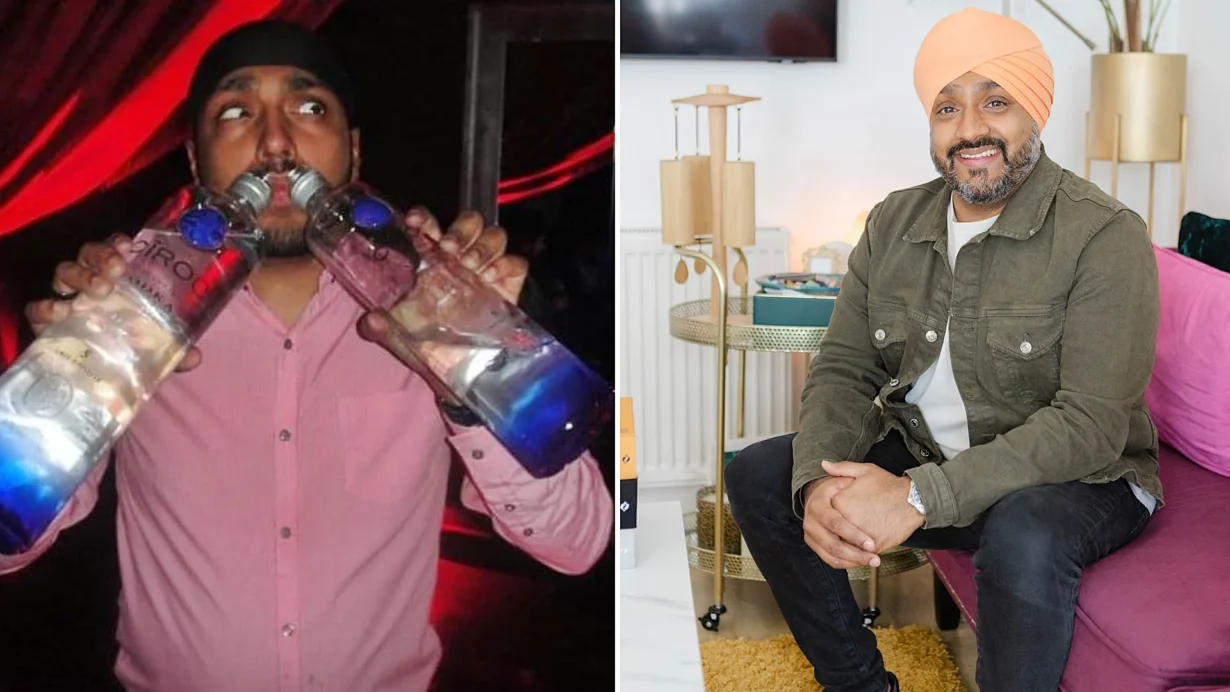

Harj Gahley used to put £1,000 on a single World Cup match.
At his lowest he was £250,000 in debt, with no home, no marriage and no job to show for it.
The 40-year-old from Slough is a recovery advocate now.
With this summer’s tournament under way since 11 June, he’s telling people how one bet turned into years of them.
Go big or go home
“I used to bet a lot, as I was in a high paying job,” he told Creatorzine.
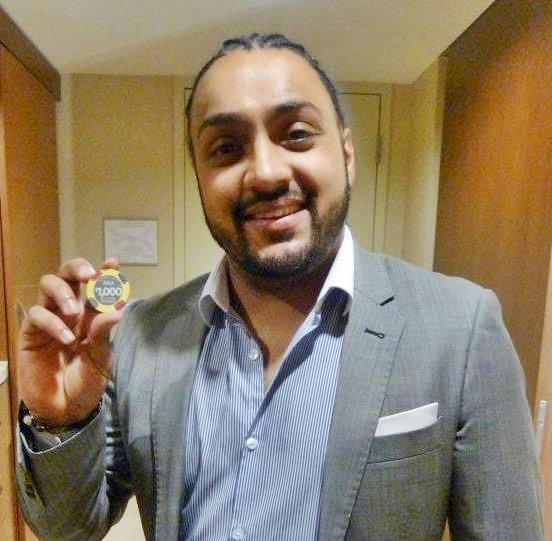
“It meant I could afford to bet bigger. Go big or go home, as I would say.”
The pull wasn’t the betting chat. It was the football.
Teams, players, managers, form, injuries, who looked strong, who was overrated.
He took all of it and turned it into bets in his head.
Weekends meant the pub, the football, his mates, a laugh.
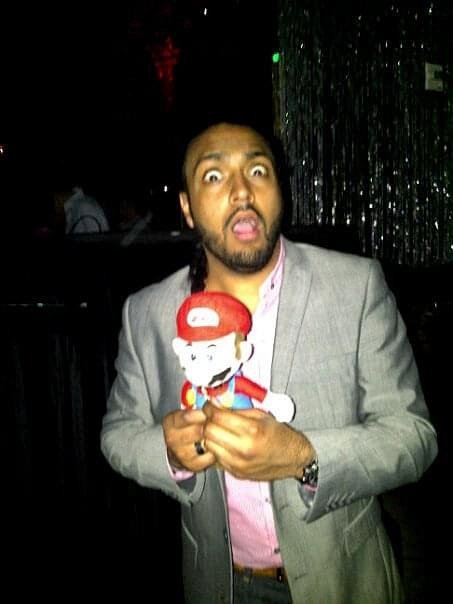
From the outside he looked like a man enjoying himself.
He wasn’t.
“My addiction was consuming me,” he said.
The sweepstake that didn’t feel like gambling
Harj also blames the office sweepstake. The one nobody thinks twice about.
“It feels harmless to most people,” he said.
“I used to think I should put a proper wager on the team I was drawn. It was completely distorted.”
By the time the build-up was everywhere, from the adverts to the group chat, switching it off wasn’t an option.
“It became very hard not to think about betting.”
Two grand on teams he didn’t care about
During the 2014 World Cup he put £1,000 on Brazil to win.
Then another £1,000 on Argentina. Both went out.
“Each game was fuelled by anxiety, hoping to see a win,” he said.
“When they lost, I was furious and upset. I had no loyalty to Argentina as a team, so I just lost £1,000 for nothing. That money could’ve gone on bills or my other mounting debt.”
Across the five weeks he reckons he spent more than £4,000.
He won some of it back. Then he gambled that too.
“A win was never really a win because it only gave me confidence to keep gambling. I was trapped. The only time I didn’t gamble was when I had no money left.”
When the bet becomes the main event
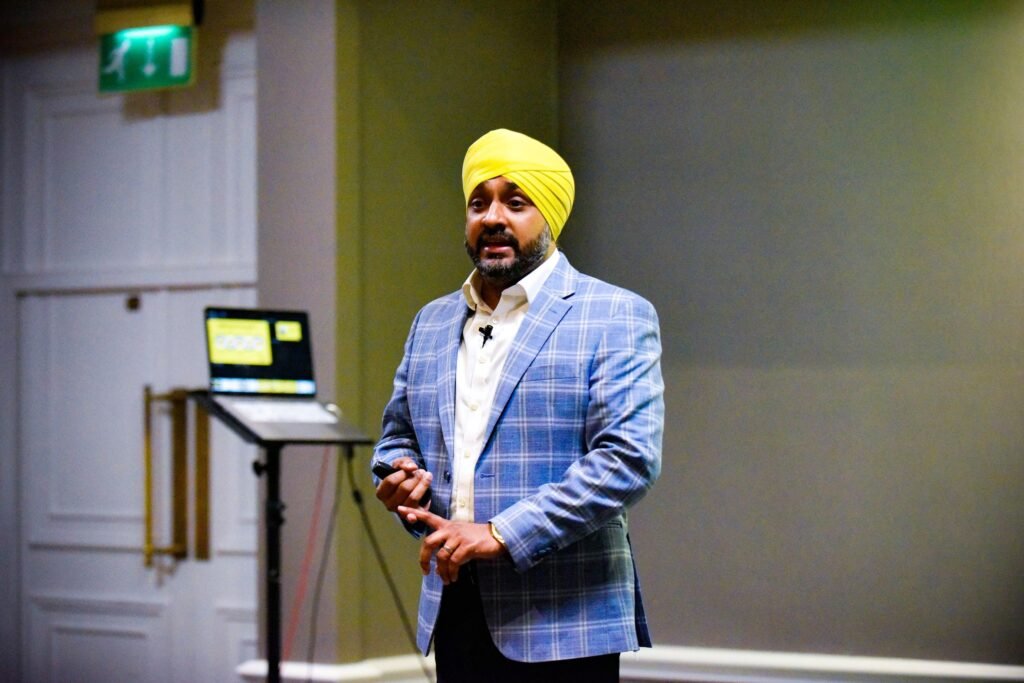
Harj wants gambling firms to look again at how they advertise during the tournament.
Live odds and in-play betting, he says, change what you’re even watching.
“You no longer watch the match, as your eyes are glued to a small screen instead of the big one, waiting for a payout,” he said.
“The game becomes secondary and the bet becomes the main event.”
For most people a flutter on the football is fun. For others it’s something else.
“The perfect storm of emotion, pressure, advertising, access and opportunity,” as he puts it.
“Football should be about connection, joy and shared memories. But for me, and perhaps many others battling addiction, it became another environment where this was hidden in plain sight.”
His advice for anyone watching with friends: keep your eyes on the game, not the odds.
If the betting talk gets hard, step away and tell someone you trust.
And don’t wait until you’ve lost everything.
It started with £60
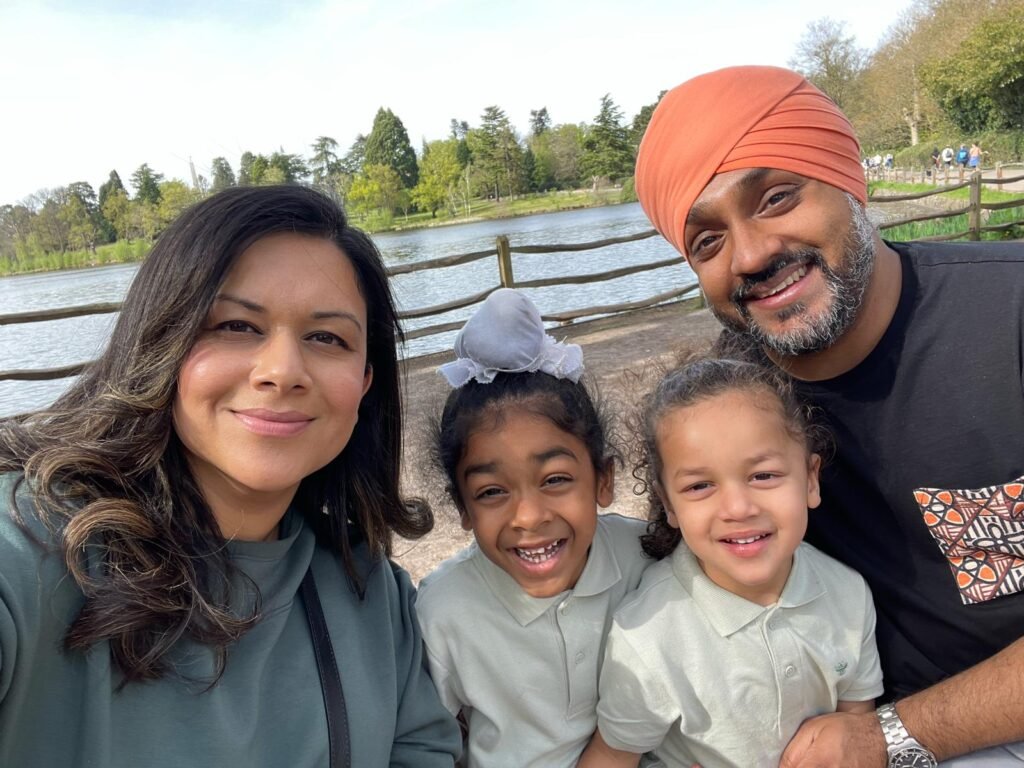
The whole thing began with a £60 win on his first hand of Blackjack.
After that a normal day meant waking up and heading to the casino or the bookies.
When online betting arrived, he was placing a bet before he’d brushed his teeth.
During one break at work, he lost £9,000.
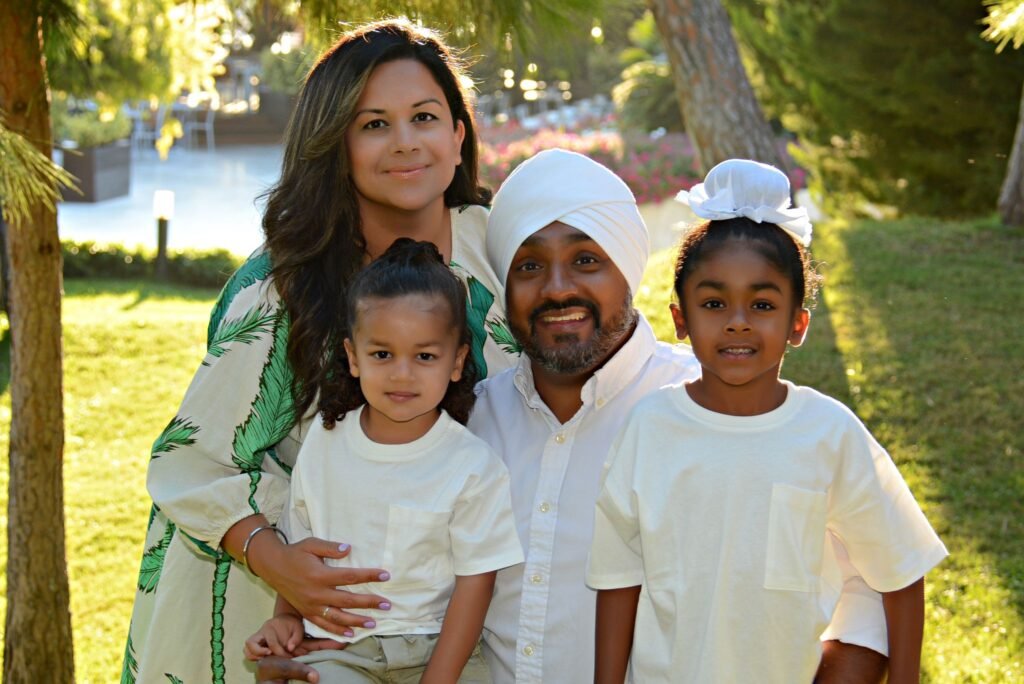
He got help through GamCare. He’s paid off the debt. The marriage survived.
Why It Matters
Harj’s story lands in the middle of a World Cup that gambling brands have paid heavily to be part of, and the promotion doesn’t stop at the TV adverts.
It runs through the same feeds, group chats and football accounts that creators built their audiences on, a lot of it from tipster pages and sponsored “safe bet” content.
He’s also one of a growing number of people turning lived experience into a public role, building a following by talking about the thing that nearly ended them.
Pressure on betting firms over football has been building for years, and Premier League clubs have already agreed to drop gambling logos from the front of shirts. Tournament advertising is the next argument.
Whether regulators move on in-play betting and World Cup ads is the open question.
For now, Harj’s pitch is smaller and harder to argue with. Watch the match, not the odds.
If you’ve been affected by gambling, support is available from GamCare on 0808 8020 133.