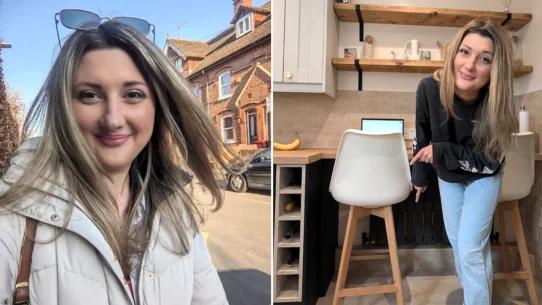
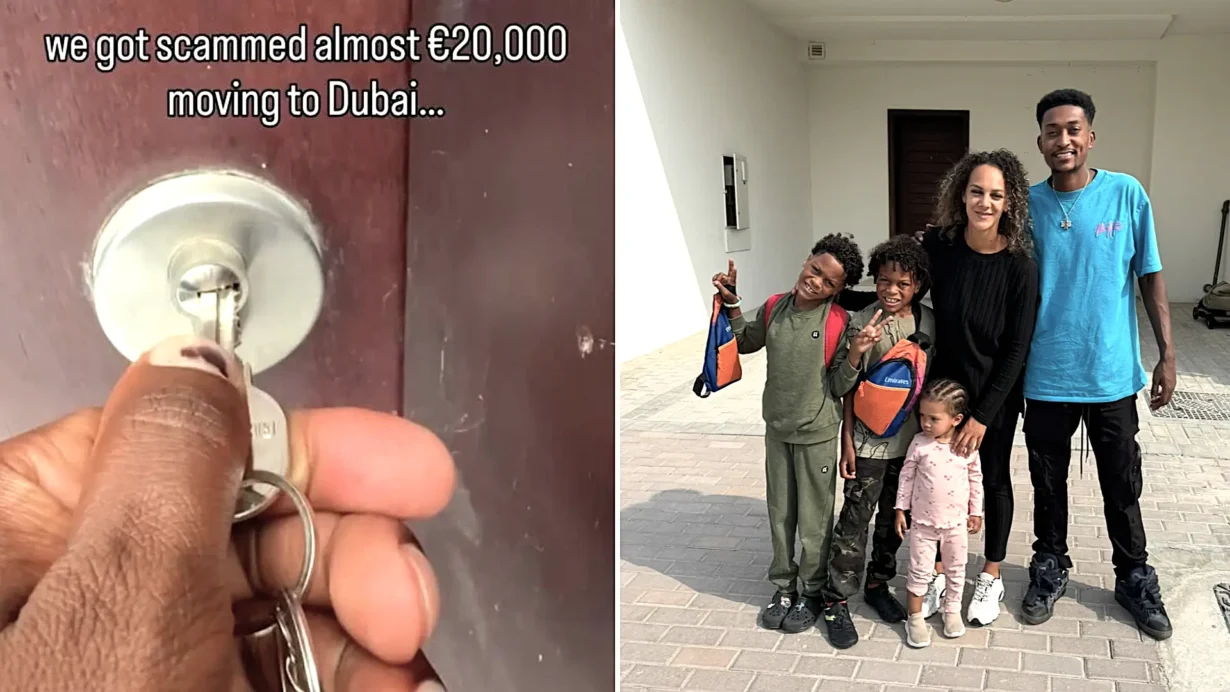

Janine Melissa and her husband did everything you are supposed to do before moving a family across the world.
Friends viewed the house in person.
They watched the tour live on FaceTime. The paperwork carried a watermark and a signature.
READ MORE: Josh Brolin paid $3.25m for a Georgia ‘hideaway’ – he rented it to A-list stars on the side
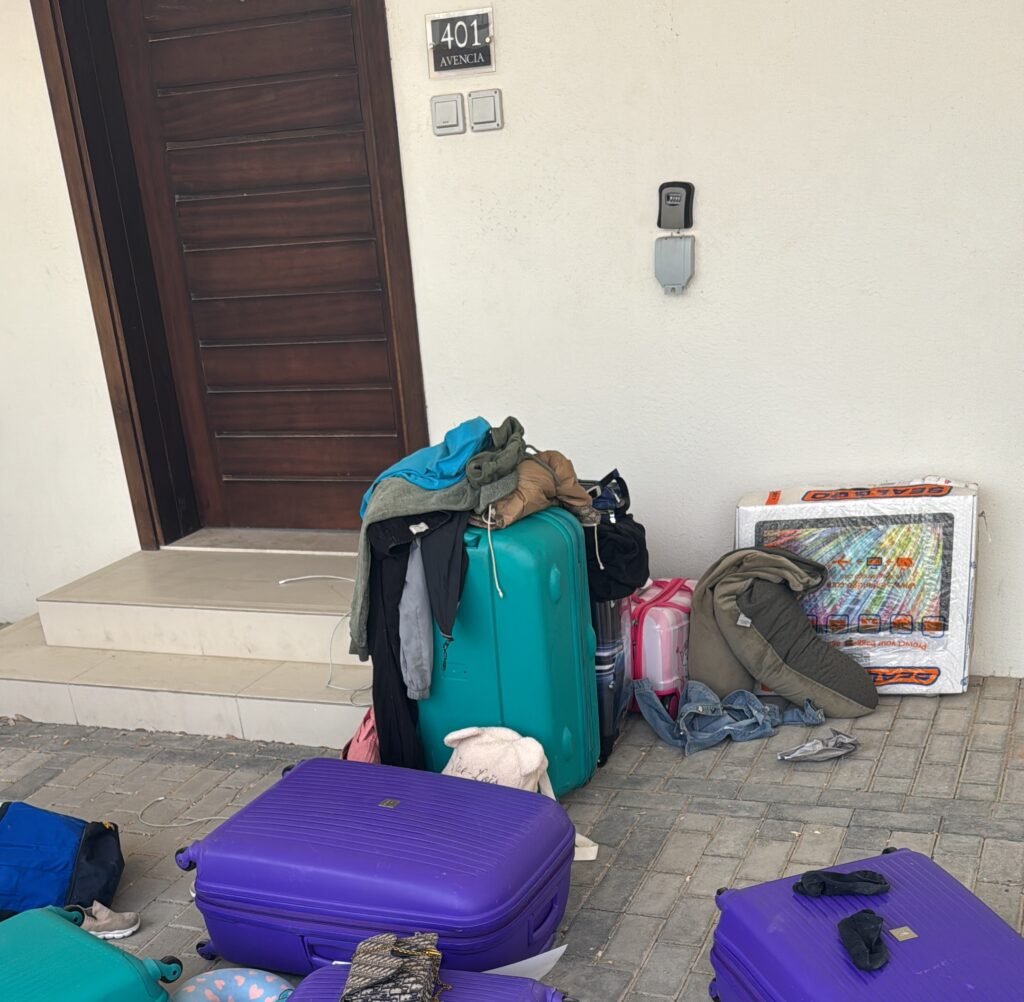
They still landed in Dubai to find the house wasn’t theirs and the money was gone, with three children, ten suitcases and nowhere to sleep.
The house was real. That was the whole trick.

The couple, from the Netherlands, found the property through a Facebook community group.
They were careful about it. Friends already living in Dubai collected a key from a lockbox and walked the family through the place on a video call.
It matched the online photos exactly.
The documents looked right too. There was an Ejari watermark, the UAE’s official rental registration, and what looked like the owner’s signature.
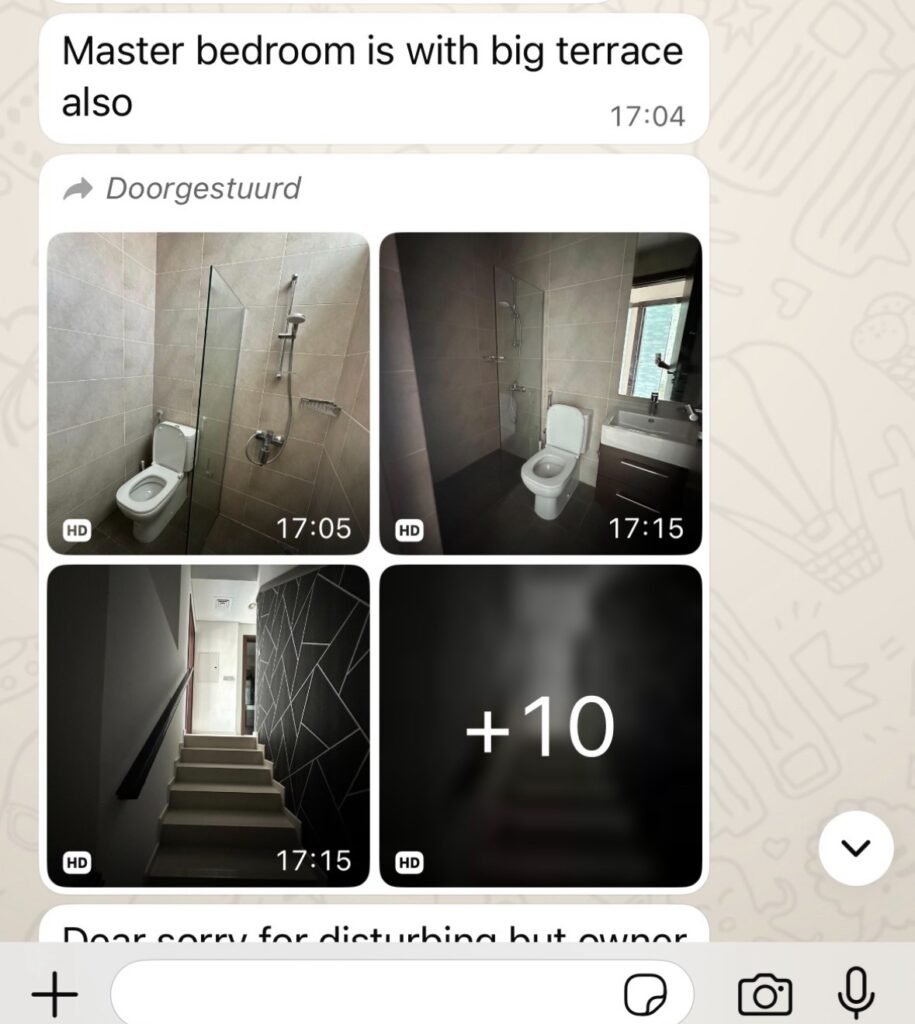
So they paid. A €5 test payment first, then around €2,570 on 9 June.
“At first, we simply couldn’t believe what was happening,” Janine told Creatorzine.
“Looking back, our biggest mistake was assuming the agent was legitimate because everything else checked out.”
Then the agent started crying
Two days after the transfer, the agent rang in tears.
She said she had been suspended from work for helping them and needed money for her child.
The family sent another €3,570.
The scam that works isn’t the one that asks for money.
It’s the one that gives you a reason to want to send it.
Landing day

The truth arrived when they did. Luciano Lorenzo first assumed a friend had handed over the wrong key.
He checked the videos, called the friend, confirmed they were at the right address.
The front door wouldn’t open. So he climbed through a neighbour’s garden and let himself in through the back.
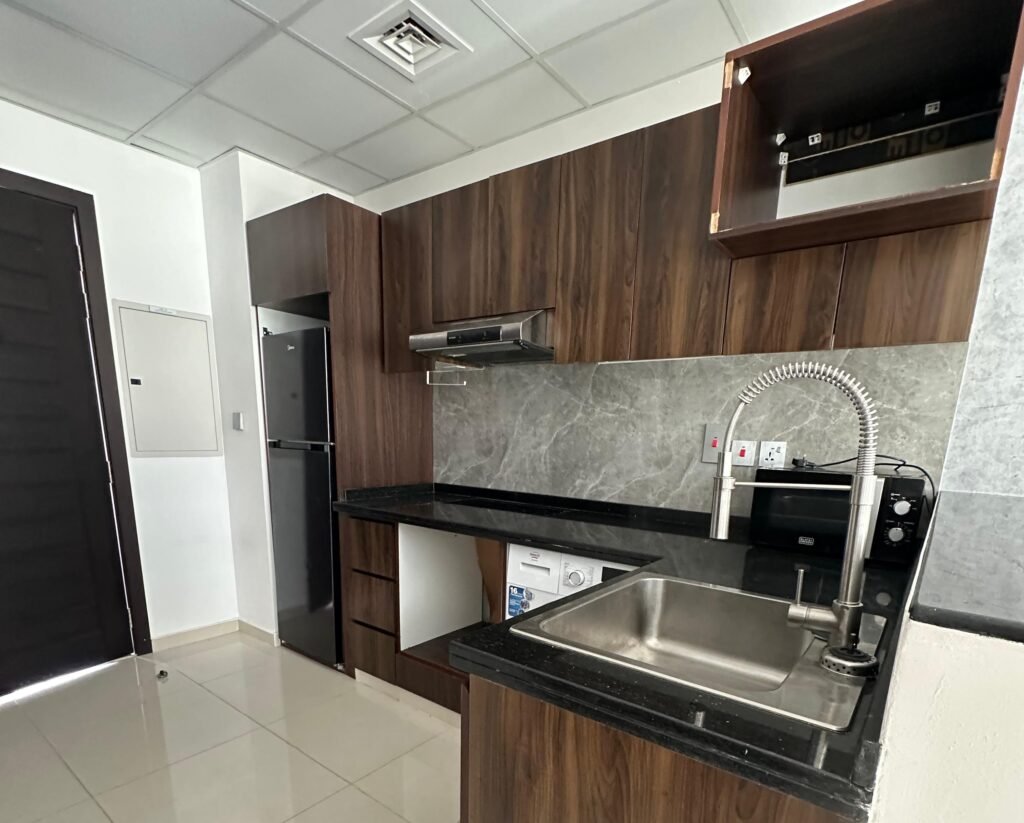
Inside, everything looked exactly as it had on the video tour.
The owner never came. The agent stopped answering.
They waited from morning until evening.
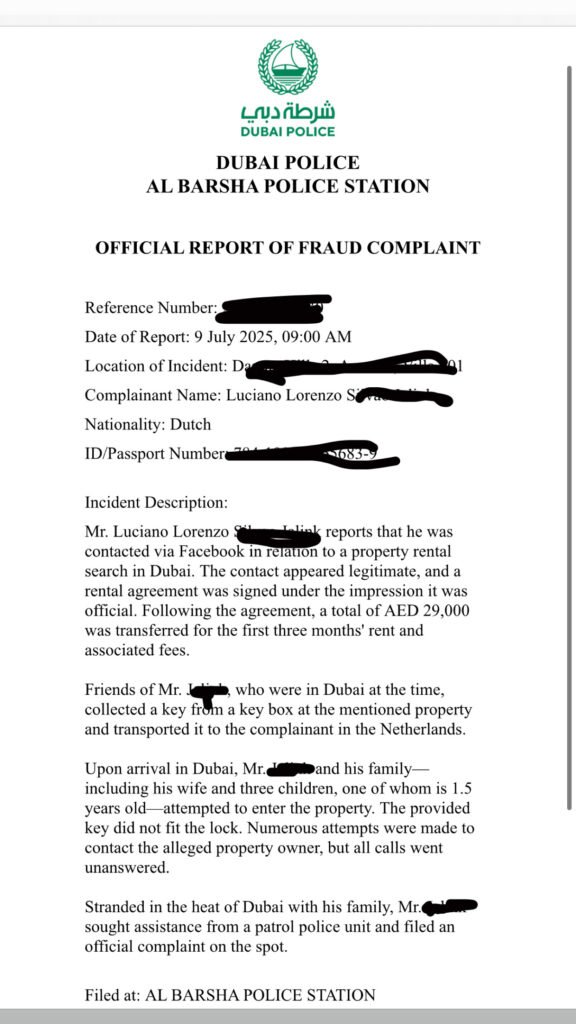
Community security got involved and called the police.
A neighbour told them the same scam had already caught other families at the address.
It was 40C. The family sat outside with three young children and ten suitcases, no transport, working out what to do next.
Security staff ordered burgers and soft drinks for the kids.
Police took a report. An Airbnb became their emergency accommodation for the night.
It didn’t stop at the house

The housing scam cost them around 30,000 AED, before the emergency accommodation and the price of finding somewhere real to live.
Then a second scam landed. Janine says nobody ever submitted a visa application they had paid for, leaving them with thousands more in fines.
She has since spoken to another alleged victim who told her dozens of reports are now tied to the same scammers.
Many involve families relocating to Dubai.
She is firm on one point. None of this should reflect badly on the city itself, she says, and she praised the police and the community security staff who stayed with the family through it.
“We are sharing this story because scams like this can happen anywhere,” she said.
“We hope it encourages others relocating abroad to thoroughly verify not only the property, but also the agent involved.”
Why It Matters
Relocation has quietly become its own content genre.
Facebook groups, expat YouTube channels, “moving abroad” creators, the whole apparatus that turns a stranger in a new country into a trusted source.
That trust is exactly what this scam ran on. The property was real and verifiable because the scammers picked one that was.
The community group felt safe because community groups are meant to.
For the growing number of creators building audiences around expat life and relocation, that’s the uncomfortable bit.
The same networks that make moving abroad feel doable are the ones scammers now mine.
Dubai has become one of the most popular destinations in the world for newcomers, and rental fraud aimed at people arriving sight unseen has tracked the demand.
The family is rebuilding from a short-term let.
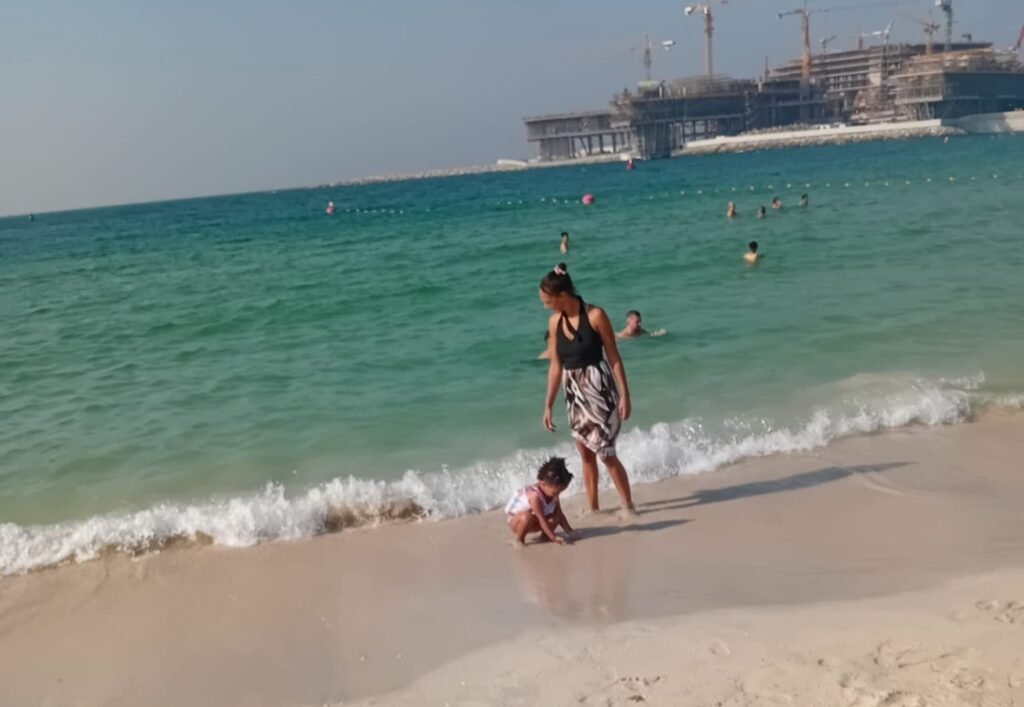
By Janine’s account, the scammers are still operating, with fresh reports stacking up.
And the detail that should sit with anyone planning a move is the one she keeps returning to: she ran the checks.
The checks were looking at the wrong thing.
The property was the only part of it that was real.
Everything attached to it wasn’t.