


Philly Garrett has shared a home with 34 different people.
The latest two pay her £1,550 a month for the privilege.
The 34-year-old bought her three-bedroom house in Reading for £267,000 in 2020, and lodgers were part of the deal from the start.
On a £22,000 salary as a property consultant, the spare rooms were never going to sit empty.
“It was always the plan, as I didn’t need a three-bedroom house just for myself at this stage in my life,” she told CreatorZine.
A house designed for other people
Most people renovate for themselves. Philly renovated for strangers.
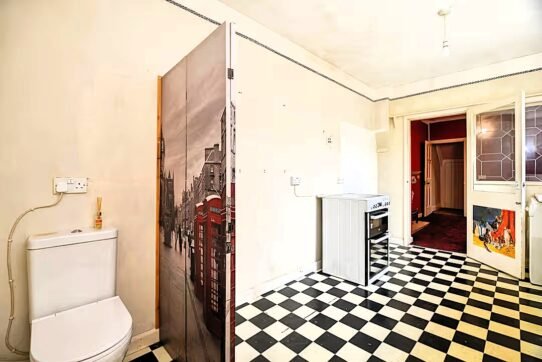
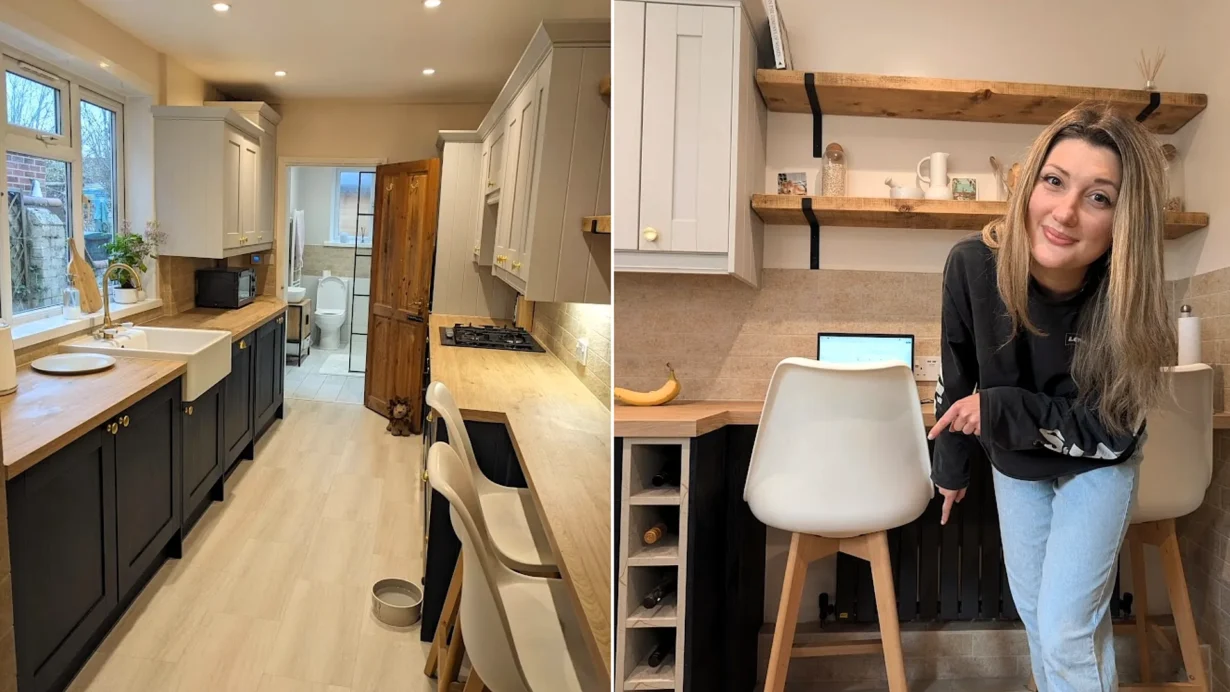
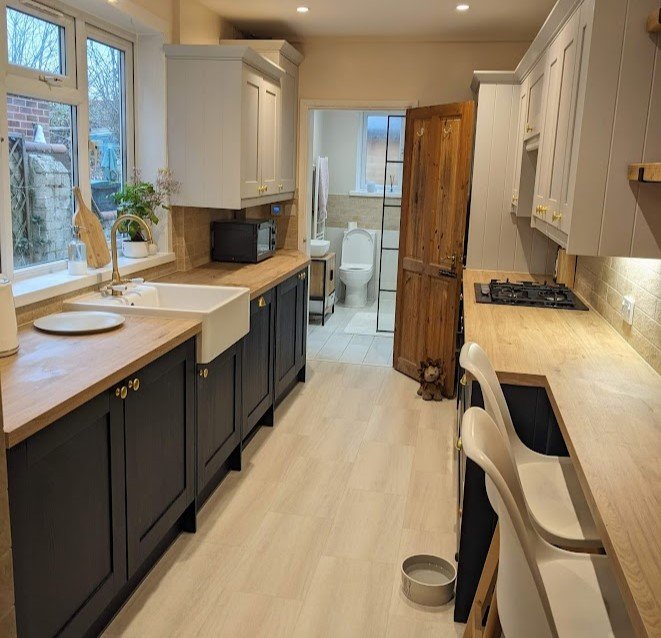
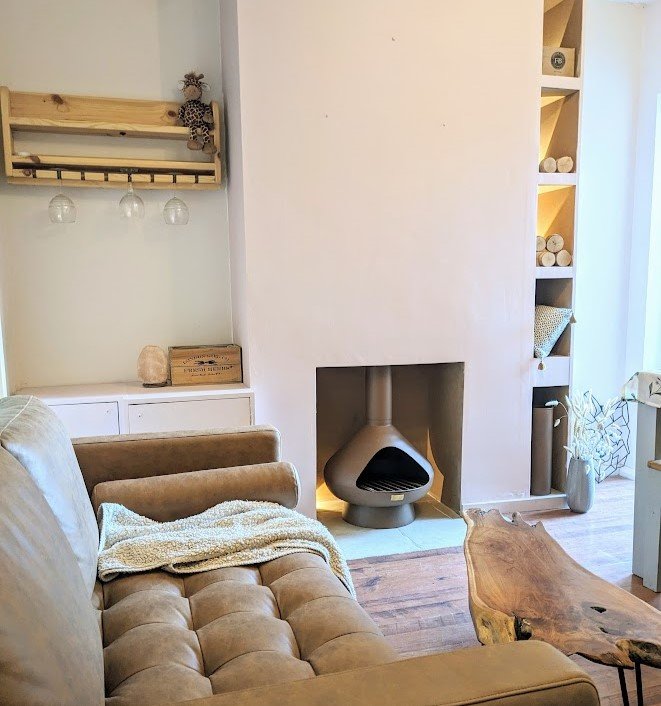
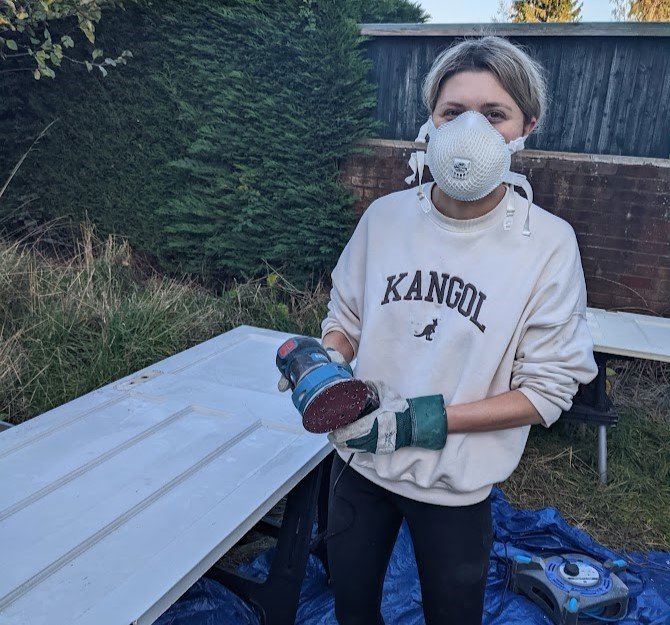
She ripped out the carpets and laid hard flooring in the rented bedrooms, carved out a fourth bedroom, and rebuilt the kitchen with enough cupboards for everyone to have their own designated space.
Even the bathroom got assigned storage.
“Designated storage in the bathroom is a simple yet effective way to keep the space clear,” she said.
“It feels rewarding that the renovations have paid off.”
Paid off is one way of putting it. The rooms bring in £18,600 a year, the first £7,500 of it tax-free under the government’s rent-a-room scheme, and the rental income has “far exceeded” what the renovation cost.
The house is now valued at £415,000. That’s £148,000 more than she paid for it.
No remote workers need apply
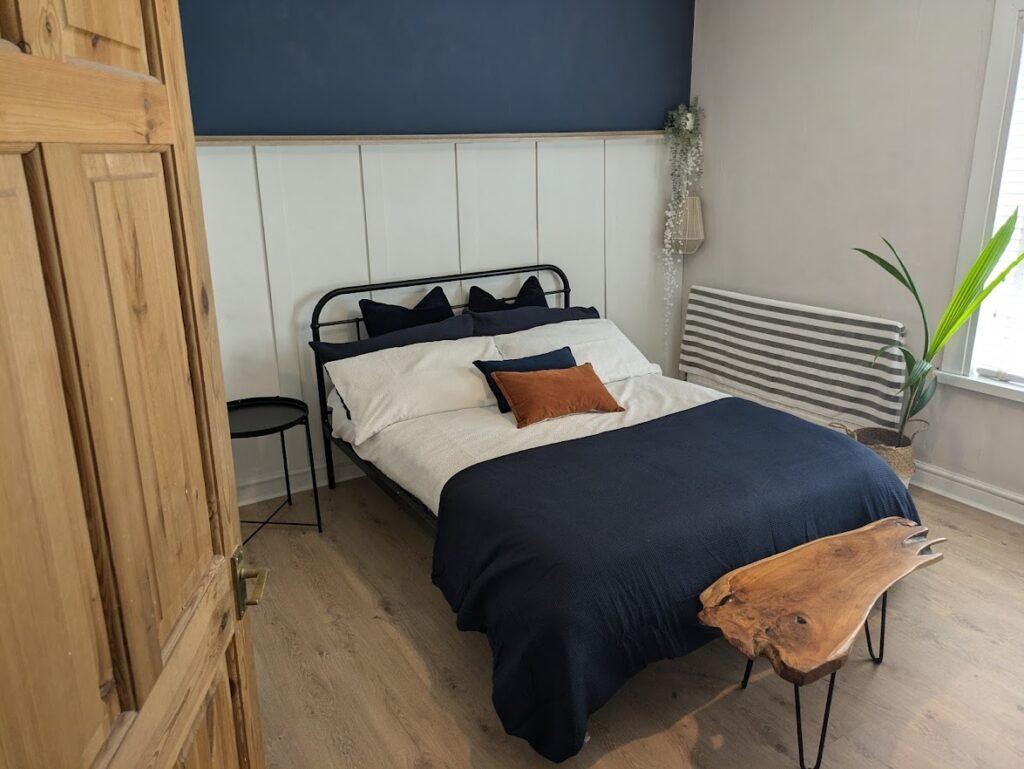
Philly has full say over who moves in, and she uses it. Her rule is simple: lodgers whose jobs keep them out of the house all day.
Teachers do well. So do nurses, and film crew working on nearby sets.
One stayed just two months during a shoot. Her longest lodger has been there two and a half years.
“You can choose your own criteria to suit your lifestyle,” she said.
“We have chats, and have been out for Sunday roasts on occasions, but generally we have our own busy lives going on. It works well.”
She also argues the arrangement does some quiet public good.
“Renting spare rooms out helps with the housing shortage, by using houses to their full capacity.”
The lodgers funded a startup
The rental income did more than cover the mortgage.
When Philly lost her job in 2024, it gave her room to build something.
She launched Cucoon, an online platform that helps single professionals co-buy their first home with legal and practical safeguards in place.
The idea came from her own experience of leaving London to buy, despite having £40,000 saved for a deposit.
“I didn’t know anyone who was able to buy single, especially without family help, and I don’t believe home ownership and ability to build wealth should be dependent on relationship status,” she said.
“I thought there had to be a solution to the housing crisis, and this solves the biggest barrier of affordability.”
Why It Matters
Philly’s story is the personal finance content playbook in action.
The “how I make £X from my spare room” format is one of the most reliably viral genres in the creator economy, and here the lived experience doubles as the origin story for a startup.
Her lodger years are product research, marketing and credibility rolled into one, the kind of founder narrative creators increasingly build businesses on top of.
It lands in a moment when co-living content is everywhere, driven by a generation priced out of buying alone and increasingly willing to talk about money in public.
Philly doesn’t plan to have lodgers forever.
“When I have a family one day or young children, I wouldn’t use the rooms for lodgers,” she said.
“Buying a house was the best financial decision I have ever made.”
For now, the spare rooms stay full. Whether Cucoon can turn her workaround into everyone else’s front door is the next test.
READ MORE: I saved £40,000 and still couldn’t buy a flat in London – now I help strangers buy homes TOGETHER