

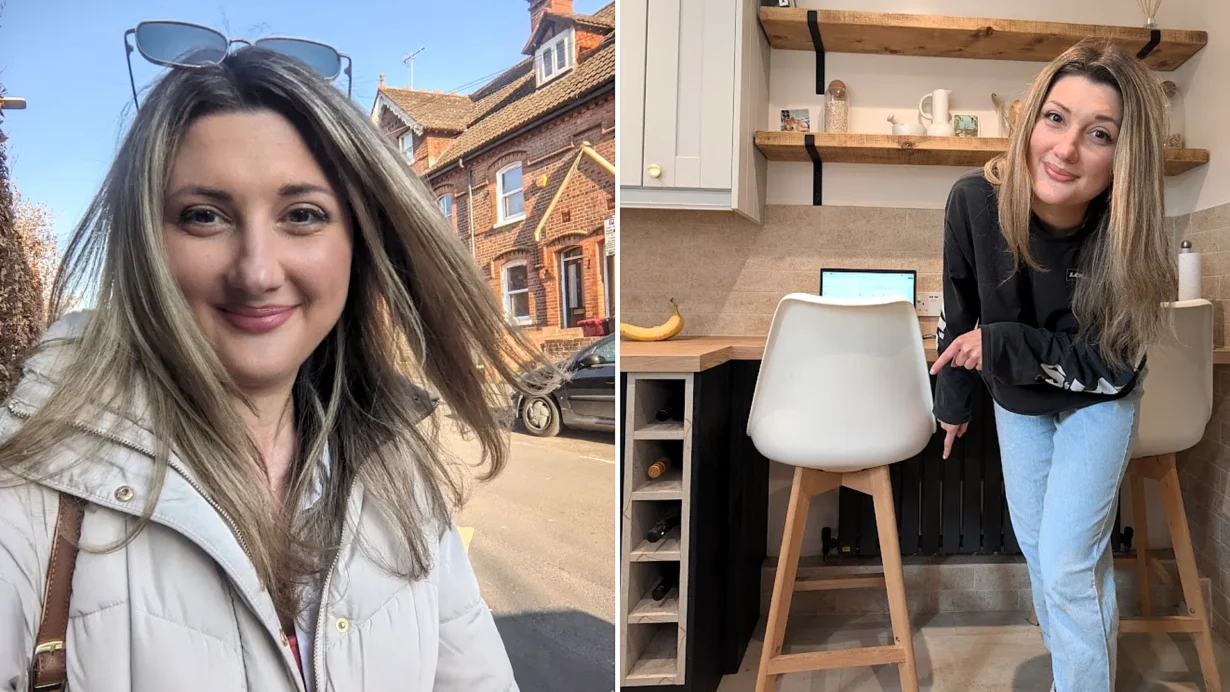

Philly Garrett had a £55,000 salary and more than £40,000 saved.
It still wasn’t enough to buy a one-bedroom flat near her London office.
She had been renting for years when her landlord sold up and she had to leave.
Buying made sense. She had the deposit. She had the income.
What she couldn’t find was anywhere she could actually afford.
In Zones 5 and 6, the outer edges of London, her money stretched to cramped flats hovering around £300,000.

Nothing near work felt safe. Nothing felt like somewhere to stay.
“It felt deflating to have saved a sizeable deposit, and not be able to afford a home in an area that felt safe near my work,” the 33-year-old, then head of brand marketing for a group of fashion brands, told Creatorzine.
The maths worked 40 miles west
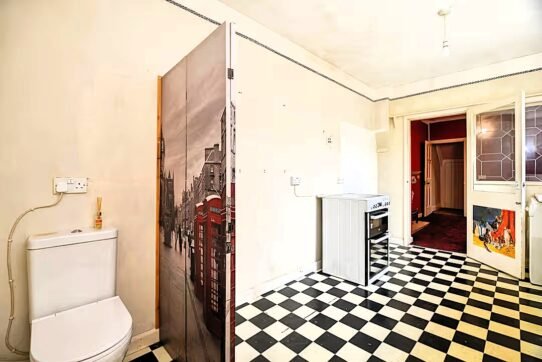
The picture changed in Reading. There, the same budget bought a three-bedroom house with a garden, and for less than the boxy London options.
She moved in 2020 and paid £267,000. Friends called her brave for relocating somewhere she knew nobody.
“A lot of people said I was ‘brave’ for moving to a new area where I didn’t know anyone,” she said.
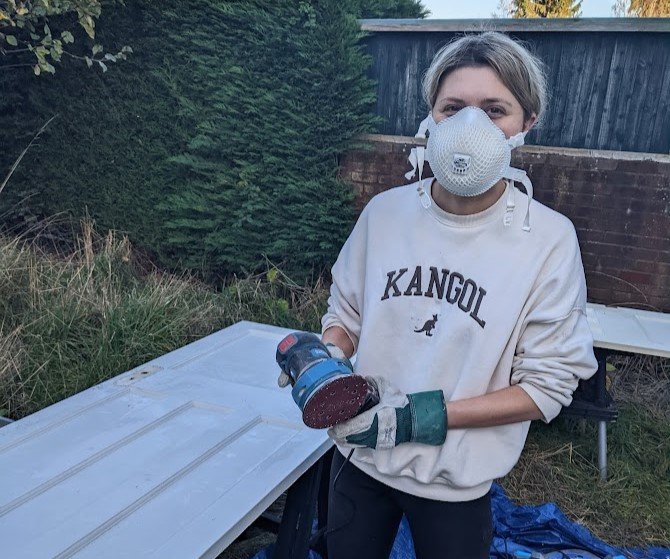
“But logically I had to buy and live somewhere, as nowhere would let me rent with a big dog, and I wanted to pay into my own assets.”
The house is now worth £415,000.
A home built around lodgers
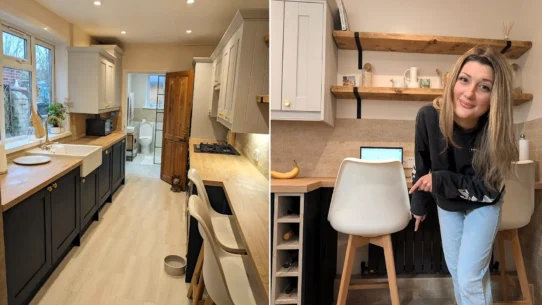
Garrett never planned to live there alone. She designed the renovation around two live-in lodgers from the start.
Carpets came out, replaced with hard flooring in the rented rooms so they wiped clean.
The new kitchen got enough cupboards for everyone to claim their own, and the bathroom got storage to match.
“Revenue from renting rooms has far exceeded total costs of renovating my home,” she said.
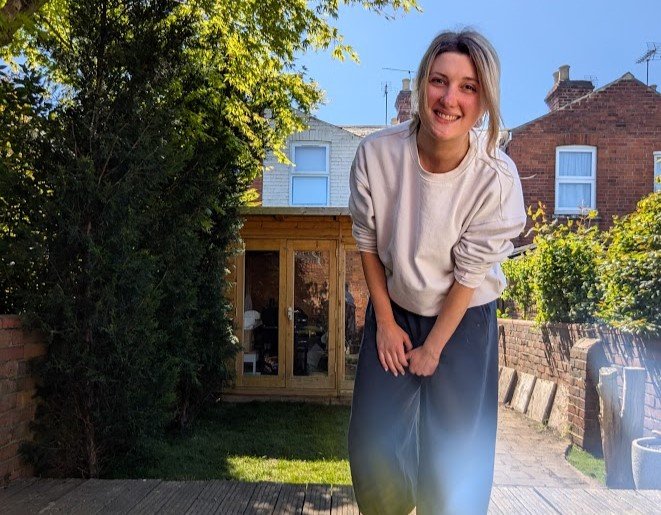
Seven years in London house shares, plus university before that, made the arrangement second nature.
“Co-living really suits my life stage of being a single female in my 30s.”
She doesn’t see it as forever. When she has children the lodgers’ rooms become family space, and by then the appreciation and the mortgage payments will have done their work.
“Buying a house was the best financial decision I have ever made.”
From locked out to founder
The frustration of those early house hunts stuck.
After a decade in the beauty and fashion industry, Garrett lost her job in 2024, a role by then paying £75,000.
She used the moment to launch Cucoon.
The platform helps single professionals co-buy their first home together, with the legal and practical safeguards that usually scare people off the idea.
It runs with support from Virgin StartUp’s Momentum cohort, an accelerator for dyslexic entrepreneurs.
The idea came from friends who had co-bought successfully, and from how normal flat-sharing already is through sites like Spareroom, which she had used herself.
“Many people are choosing to stay single for longer,” she said.
“Cucoon offers a solution for those who are ready to buy without waiting for traditional milestones such as marriage or inheritance.”
She added: “I didn’t know anyone who was able to buy single, especially without family help. I don’t believe home ownership and the ability to build wealth should be dependent on relationship status.”
Why it matters
Garrett’s story follows a familiar founder pattern: take the problem you personally fell into, then sell the fix.
The creator economy runs on the same instinct, and so do a growing number of solo operators turning lived experience into a business.
Her gap was a housing market that quietly assumes you arrive as a couple.
Single-person households keep rising across the UK, and the average first-time buyer gets older every year while wages trail prices.
A platform built for solo buyers lands exactly as the two-income route slips further out of reach.
Whether co-buying with near-strangers goes mainstream or stays a niche will come down to how those legal safeguards hold up the first time one owner wants out.