

Two drinks a night. That was the cap inside the Love Island villa, and the contestants worked out fast which one did the most for them.
“We found out the secret was red wine because it was the strongest,” AJ Bunker said.
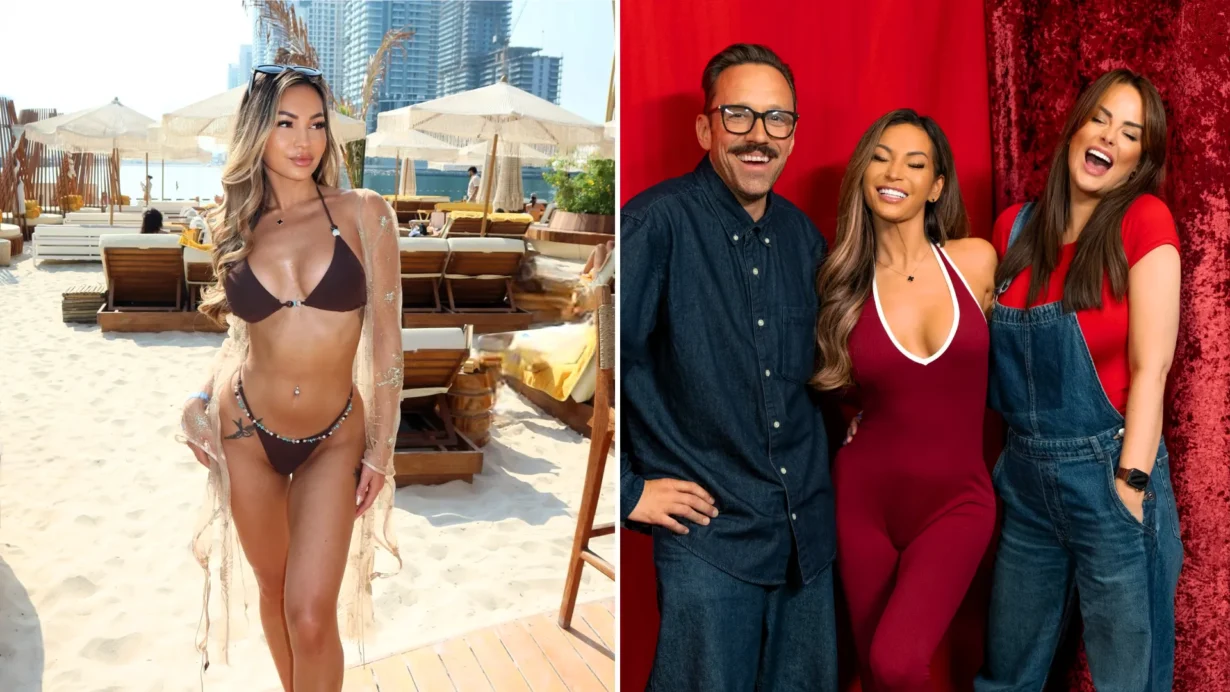
The former Love Island star has been explaining how the ITV show actually works, speaking on the Option One Podcast, presented by Babestation.
READ MORE: I blew £4K on World Cup bets in five weeks – it spiralled into £250K of debt and cost me EVERYTHING
Most of what she described isn’t what fans picture.
No script, just a nudge
The big one first. AJ says the idea that producers write the drama is wrong.
“There’s no scripts,” she said.
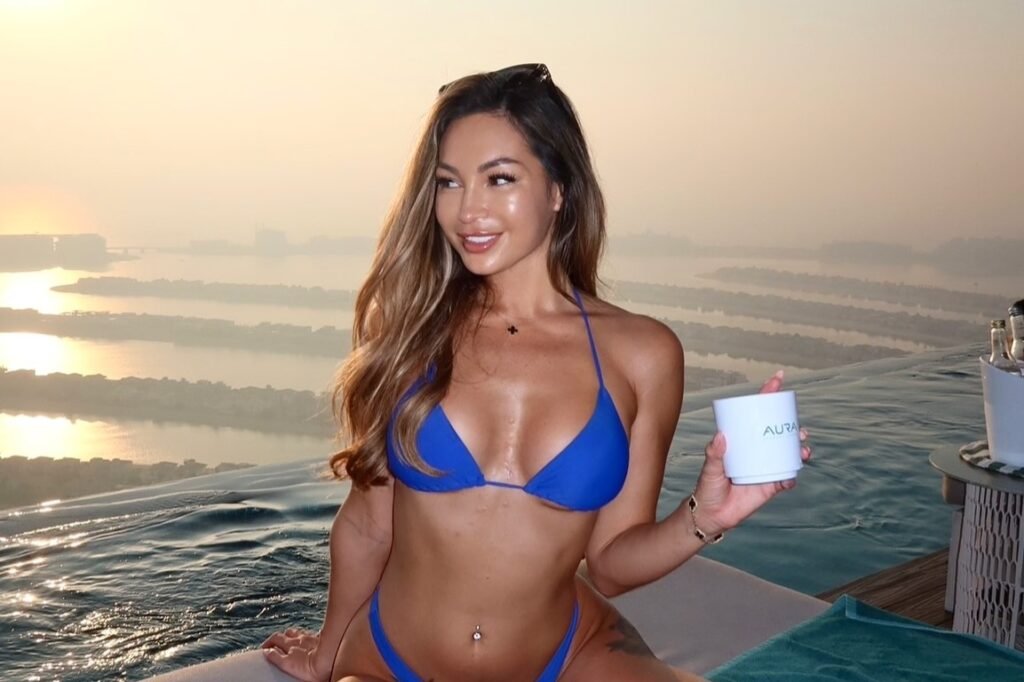
“It is literally everyone just having their chats.”
That doesn’t mean producers sit on their hands. They steer, gently, without pushing anyone into anything.
“They can sometimes imply like, ‘Oh, you know, so and so is over there. Why don’t you grab him for a chat?'” she said.
“But you don’t have to. That’s completely up to you.”
Getting in is the hard part
Before any of that comes the audition, and it drags on.

A one-minute video first. Then a casting call with one producer, then a second call with a different one.
Get through that and the medical stage starts: STI checks, psych tests, a full medical and drug tests.
Only after all of it do you meet the people who actually choose.
AJ likened the last round to an X Factor panel.
“There’s three of them sitting there and you’re still not even sure if you’re in yet,” she said.
Life inside the villa

Days off exist, though nobody’s spending them resting.
“We usually use that day to do our nails or fix our extensions or just have a chill-out day,” AJ said.
The down time comes with a rule. Boys and girls sleep apart, couples included.
Nobody shares a bed once the cameras stop.
A lot of villa life never airs anyway. Meals happen off-camera, and contestants can’t talk about what’s going on in the villa while they eat.
Then there are the condoms. AJ confirmed they’re everywhere.

“The villa is stocked with hundreds of condoms,” she said.
“They’re just dotted around the villa.”
The part she won’t fault
For all the rules, AJ had nothing bad to say about the aftercare. Everyone who leaves gets a psychiatrist and a year of free therapy.
“The duty of care on Love Island is amazing,” she said.
“I can’t fault it.”
Why It Matters
Love Island stopped being only a dating show a long time ago.
It’s a casting funnel for the creator economy, where contestants walk in as members of the public and walk out as full-time influencers with brand deals already lining up.
That changes what the backstage machinery is for.
The aftercare AJ praises isn’t only welfare. It protects the asset, because the people leaving that villa are about to become businesses.
The authenticity point lands the same way. AJ insists there’s no script, only nudges, and the space between unscripted and unguided is the exact tension sitting under all creator content right now.
Audiences want the real version and the produced one at the same time, and they’re getting keener to see the seams.
Reality formats everywhere are doing the same thing, turning their own production process into content as viewers grow more sceptical of anything that looks arranged.
What’s worth watching is whether the next batch of villa hopefuls sees the place as a romance or a launchpad, and how honestly the show owns up to which one it’s really selling.
READ MORE: I spent £100K turning myself into a celebrity clone – reversing it felt like coming HOME