
A queer model has told Love Island to leave same-sex couples out of the villa.
Not because she doesn’t want them there.
Because she doesn’t think the show can handle them yet.
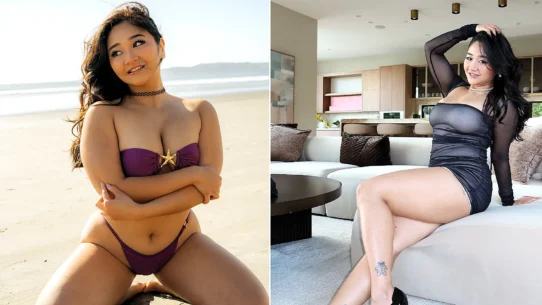
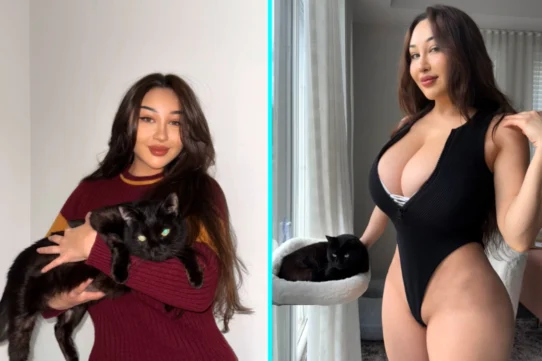
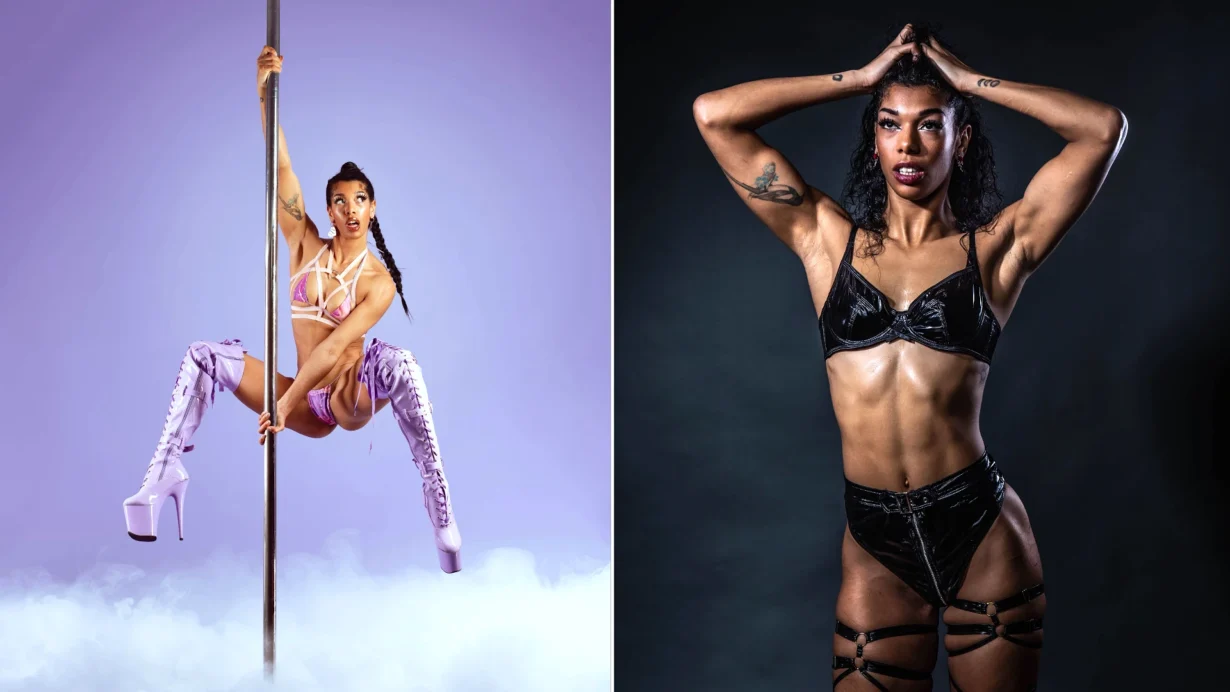
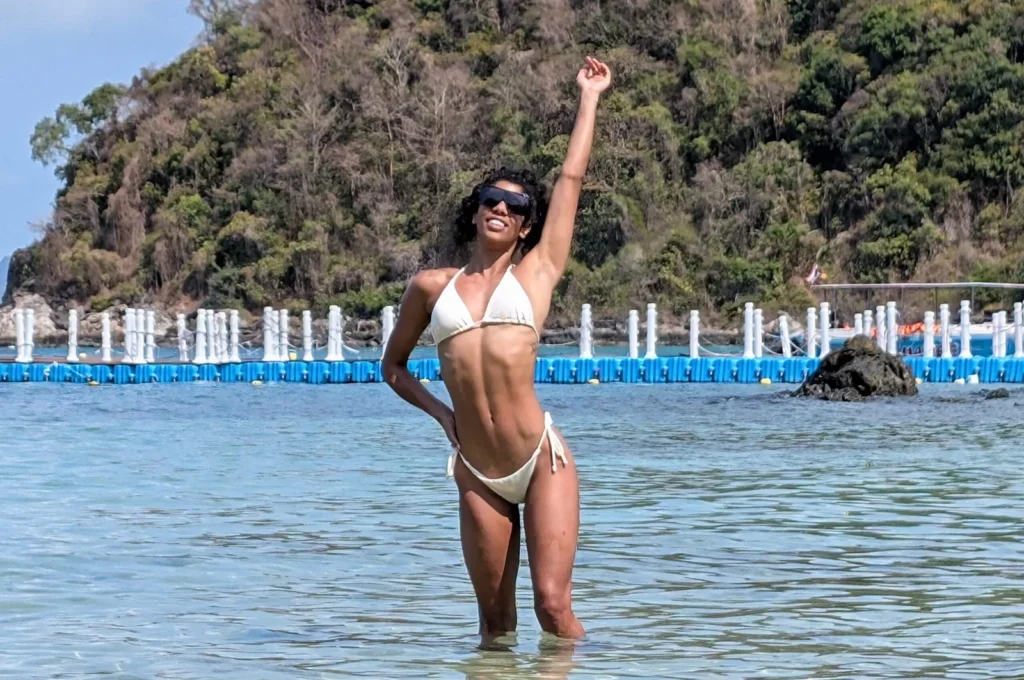
Sabrina Jade, 27, from Brighton, models for adult platform Babestation and had around 13,000 Instagram followers at the time of writing.
READ MORE: I earn £50K a month and spend £2K of it on my cats – people call it absurd
Her view is that British audiences passed the readiness test years ago.
It’s the people making the programme she isn’t sure about.
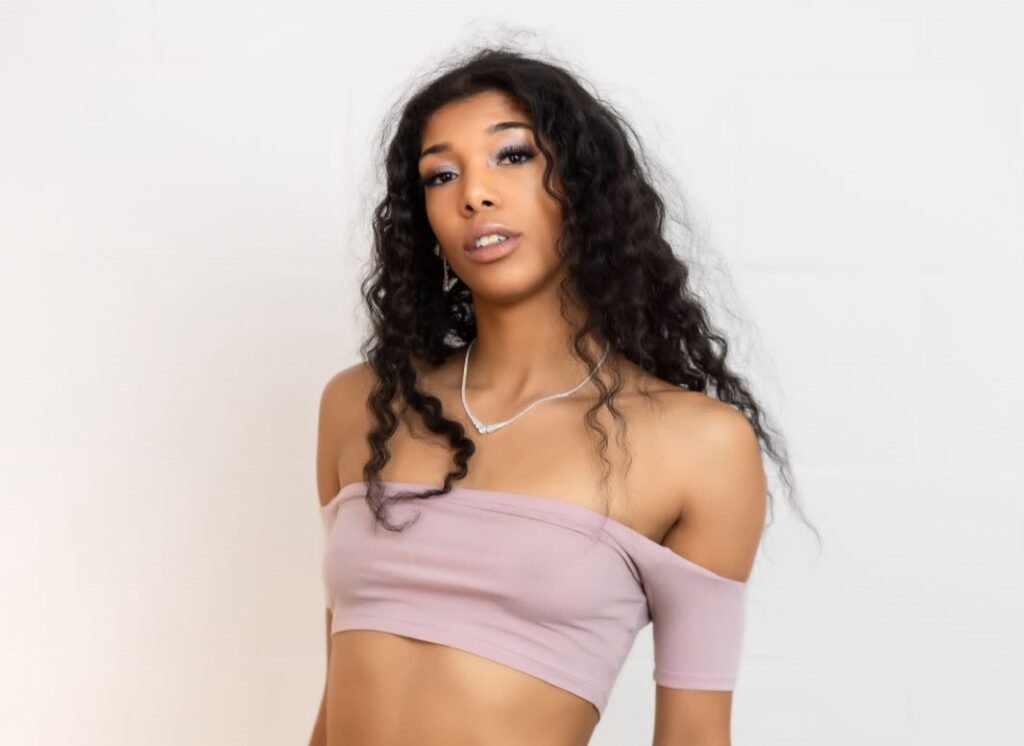
“A shake-up might help the mainstream show, but LGBTQ+ people should not be used as a token, or for shock value, to get higher ratings,” she said.
“The community will detect if it is false and pull away. It needs to be handled really well and in a way that is safe for the people taking part.”
Her conclusion is blunter than most of the campaigning around this.
“I think I, and a lot of queer people, would rather Love Island stick to its format than put forward a harmful representation of our community.”
The spin-off that keeps not happening
Richard Cowles, chief executive of Love Island production company Lifted Entertainment, told Radio Times an LGBTQ+ version has come up internally over the years.
He then explained why it hasn’t moved: the main series and All Stars already fill the calendar.
He stopped short of ruling it out entirely.
Four years ago the show’s commissioner Amanda Stavri offered a different sort of answer, describing gay contestants in the main series as a logistical difficulty.
That phrase has trailed the show around ever since.
The rules are the problem, not the relationships
Sabrina’s argument is that nothing about queer relationships is logistically hard. Love Island is.
“It’s more that the format of the show does not allow space for LGBTQ+ relationships,” she said.
“Love Island is a very gender-dominant show. The men tend to stay together and behave in one way, and the women stay together and behave in another.
“If you were going to create a queer version, you would have to mix that up and create the dynamic in a different way.”
Bombshells picked for tattoos, not gender
Casting is where she would start. The villa currently runs on arithmetic.
Count the boys, count the girls, send in whichever one is short.
“At the moment it is easy to say, ‘We have enough girls, so let’s bring in a boy,’ or, ‘We have too many boys, so let’s bring in a girl,'” she said.
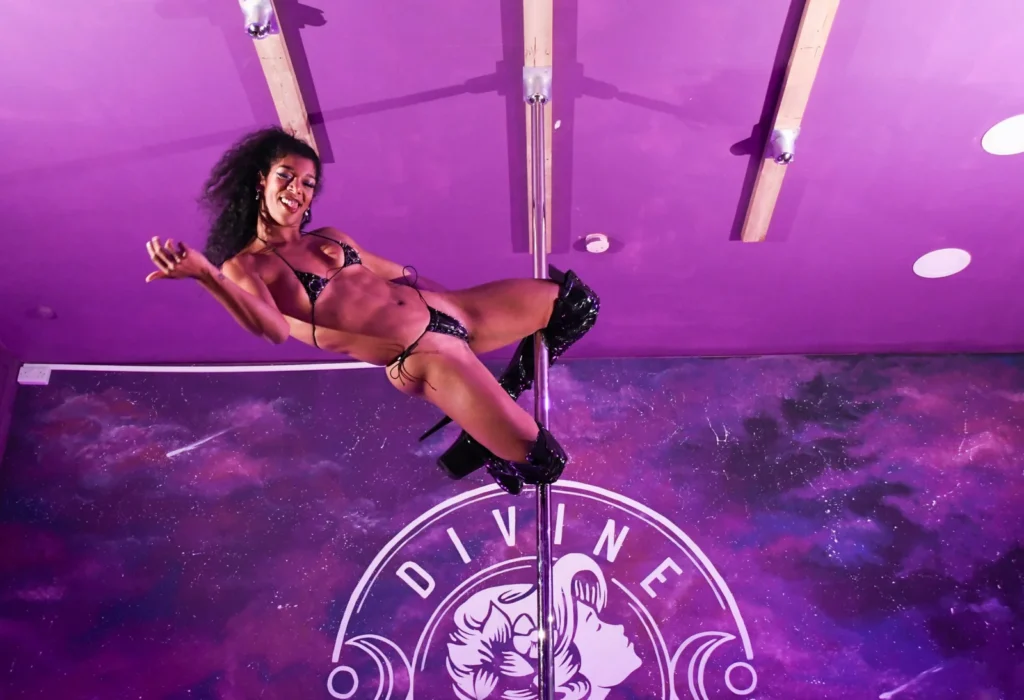
“Instead, you might need to say, ‘A lot of people here like tattoos, so our bombshell will have tattoos,’ or look at the other qualities contestants are drawn to.
“That might feel difficult logistically, but the question is whether producers are willing to take that plunge.
With queer influence behind the scenes, I don’t think it would be impossible.”
The Islanders who came out afterwards
A run of former contestants have said publicly they are bisexual since leaving, having only coupled up with the opposite sex on screen.
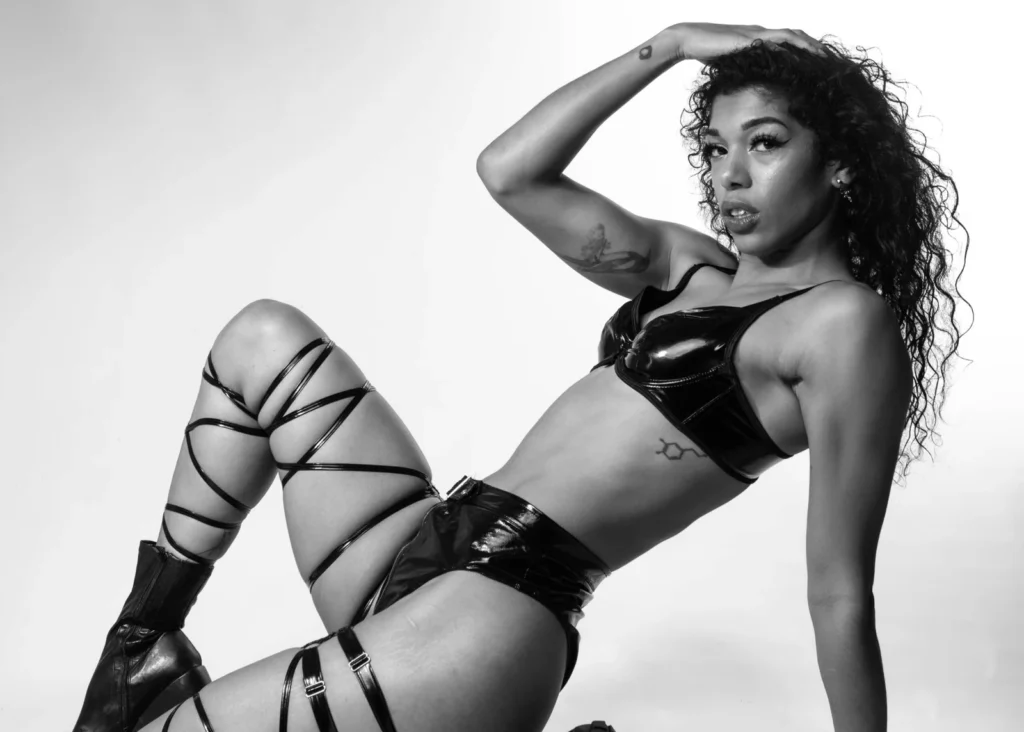
Megan Barton Hanson and Amber Gill are among them.
Curtis Pritchard has described himself as fluid in a recent interview.
Sabrina sees an entire series sitting in that gap.
A queer All Stars, cast from people who already know what six weeks in the villa does to you.
“LGBTQ+ people have been on Love Island before and some have felt pushed into the category of straight,” she said.
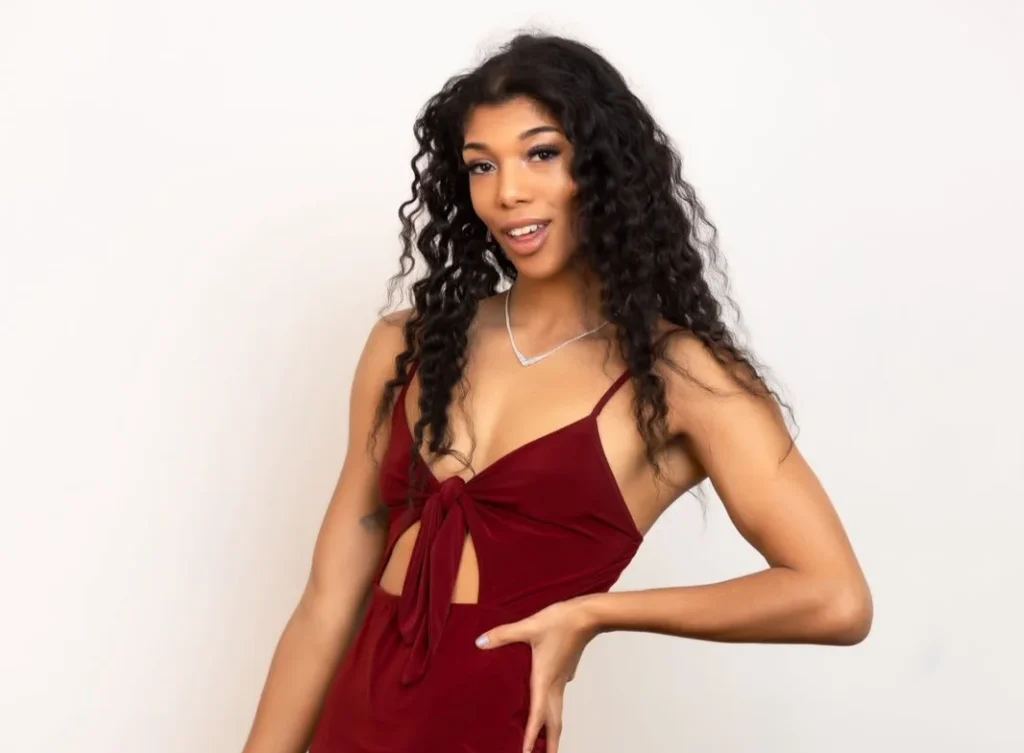
“For those six weeks, they had to be straight-presenting and could not talk at length about their bisexuality.
All Stars could bring back contestants who felt they had to erase that part of themselves the first time.”
What Are You the One? got wrong
Precedent exists. Season eight of the American format cast a sexually fluid line-up and became, in Sabrina’s words, a cult classic in the queer community. It also showed the seams.
“You could also see producers and matchmakers struggling to understand what each contestant wanted and what their type was,” she said.
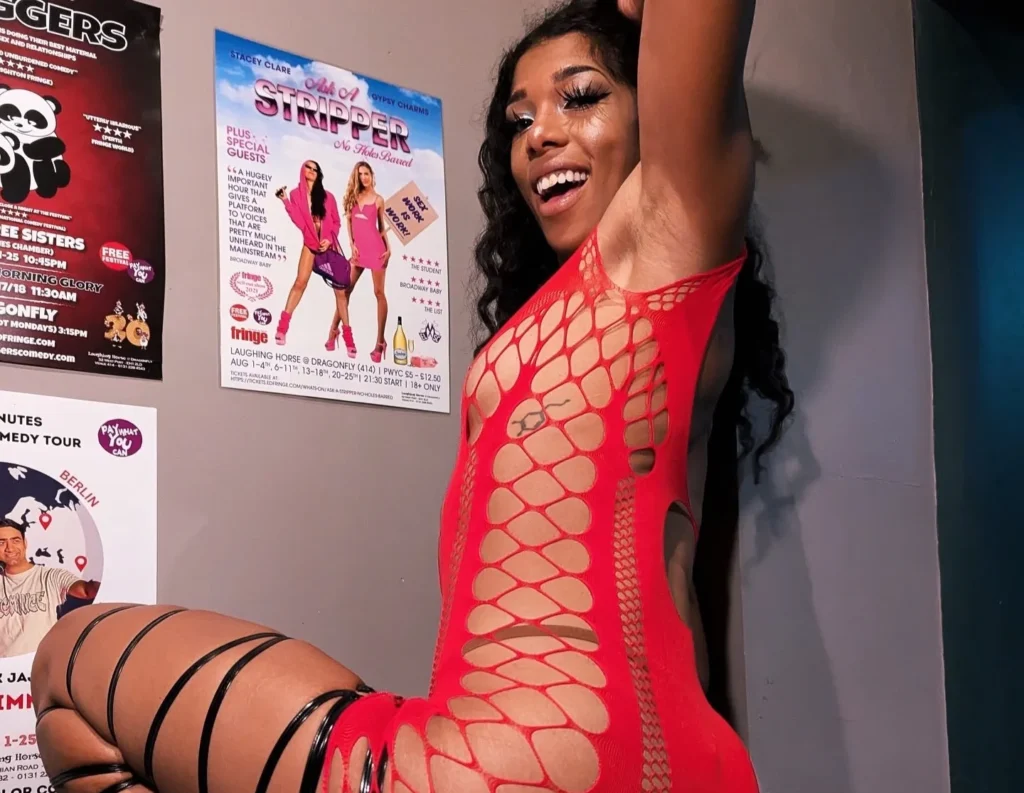
“It was sad to see people my community identified with being mishandled. Inaccurate representation can cause more harm than carrying on with the status quo.”
Why It Matters
Queer creators have spent the past decade building audiences on platforms where nobody trimmed their identity to fit a casting slot.
A mainstream booking reverses that arrangement.
The reach is enormous, the fee is real, and the edit belongs to someone else.
Sabrina’s warning is essentially a labour point dressed as a cultural one: representation commissioned for ratings tends to cost the person supplying it more than it pays them.
Reality television has been quietly rebuilding itself around fluid casting for years, through Are You the One?, The Ultimatum: Queer Love and the BBC’s I Kissed a Boy, which leaves Love Island as Britain’s largest holdout on a question every rival format has already answered.
Whether that changes will probably show up in hiring before it shows up on screen.
Watch who ITV brings into the casting and story teams, rather than who walks into the villa.
Sabrina’s bet is that one of those actually alters the show and the other just decorates it.